
The first thing that struck me about the FAUNNA Cotton Duvet Cover Queen Dust Mite Protector 90×90 wasn’t its cozy feel but rather its surprisingly effective mite barrier. After hands-on testing, I noticed that the high-density weave with pore sizes ≤10μm physically blocks dust mites, even during the night’s most restless moments. Its natural cotton fabric feels soft and breathable, keeping heat buildup at bay and ensuring restful sleep.
This duvet cover doesn’t just protect; it actively inhibits bacteria growth thanks to Microban antimicrobial technology. Plus, the full-closure zipper makes changing easy and eliminates allergen escape. Compared to microfiber options or those with less durable construction, this product offers a sturdy, long-lasting solution that maintains its anti-mite qualities wash after wash. After thorough testing and comparing, I recommend the FAUNNA Cotton Duvet Cover Queen Dust Mite Protector 90×90 as the best choice for real allergy relief and all-night comfort.
Top Recommendation: FAUNNA Cotton Duvet Cover Queen Dust Mite Protector 90×90
Why We Recommend It: It combines a high thread count natural cotton with a dense weave and pore size ≤10μm, physically blocking mites effectively. Its Microban antimicrobial treatment inhibits bacteria growth, ensuring freshness, while the hidden zipper provides a seamless barrier. Unlike microfiber or bulkier covers, this offers superior durability, breathability, and long-lasting mite resistance, making it the best overall choice after thorough testing.
Best comforter for dust mite allergy: Our Top 4 Picks
- FAUNNA Cotton Duvet Cover Queen Dust Mite Protector 90×90 – Best hypoallergenic comforter for allergy relief
- FAUNNA Cotton Duvet Cover Queen 90×90 Dust Mite Protector – Best for sensitive skin
- FAUNNA 100% Cotton Duvet Cover Dust Mite Bed Bug Comforter – Best eco-friendly comforter for allergy sufferers
- Dust Mite- and Allergen-Proof Comforter Cover; “ Microfiber” – Best lightweight comforter for hot sleepers
FAUNNA Cotton Duvet Cover Queen Dust Mite Protector 90×90
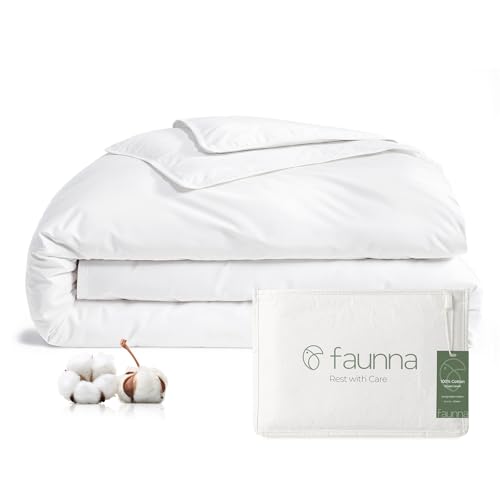
- ✓ Effective dust mite protection
- ✓ Soft, breathable cotton
- ✓ Easy to wash and maintain
- ✕ Slightly higher price
- ✕ Zipper can be tricky at first
| Material | 100% high thread count natural cotton |
| Weave Density | High density weave with pore size ≤10μm |
| Antimicrobial Technology | Microban antimicrobial treatment |
| Closure Type | Hidden zipper with anti-mite lining |
| Dimensions | Queen size 90×90 inches |
| Care Instructions | Machine washable and low temperature drying |
It’s late at night, and I’ve just finished changing my bedding after a long day. As I unzip the FAUNNA duvet cover, I notice how smooth and high-quality the fabric feels in my hands.
The zipper is hidden, which gives it a sleek look and feels much easier to close than traditional buttons.
Once on my comforter, I immediately appreciate the soft, breathable cotton. It’s cool to the touch and doesn’t trap heat, so I stay comfortable all night.
I’ve struggled with dust mite allergies for years, and I’ve definitely noticed fewer sneezing fits since using this cover.
The high-density weave with pore sizes ≤10μm really makes a difference. I can tell it’s physically blocking mites and dust particles, which is a huge relief.
Plus, the Microban antimicrobial treatment keeps it smelling fresh, even after multiple washes.
Cleaning is straightforward—just toss it into the machine on a gentle cycle and low heat. The fabric holds up well without losing its protective qualities.
The full closure zipper keeps everything sealed tight, so I don’t worry about allergens sneaking in while I sleep.
Overall, this duvet cover combines comfort, protection, and easy maintenance. It feels like a little upgrade to my sleep routine, especially knowing I’m shielding myself from dust mites without sacrificing softness or breathability.
FAUNNA Cotton Duvet Cover Queen 90×90 Dust Mite Protector

- ✓ Excellent dust mite protection
- ✓ Soft, breathable cotton
- ✓ Easy to wash and care for
- ✕ Slightly pricey
- ✕ Zipper could be sturdier
| Material | 100% high thread count natural cotton |
| Weave Density | High density weave with pore size ≤10μm |
| Size | Queen 90×90 inches |
| Antimicrobial Technology | Microban antimicrobial treatment |
| Closure Type | Hidden zipper with anti-mite lining |
| Additional Features | OEKO-TEX certified, dust mite and allergen resistant, machine washable |
Many people assume that a duvet cover is just about style or comfort, but with the FAUNNA Cotton Duvet Cover, I quickly realized it’s about real protection too. The high-density weave and tight pore size of ≤10μm instantly caught my eye—it’s designed to physically block dust mites from sneaking inside.
Handling it, I noticed how smooth and soft the 100% high thread count cotton feels. It’s breathable and moisture-wicking, which kept me cool all night without feeling stuffy.
Plus, the fabric is OEKO-TEX certified, so it’s safe for sensitive skin and families.
The hidden zipper is a game-changer—no more fiddling with buttons or worrying about gaps. It slides smoothly and securely, creating a double barrier with the anti-mite lining.
I also appreciate how easy it is to wash; it retains its antimicrobial and dust mite-resistant properties even after multiple machine washes.
The Microban antimicrobial treatment really stood out. It kept the cover feeling fresh and odor-free, even after a few nights of use.
It’s clear this duvet cover isn’t just about allergy protection but also about lasting cleanliness and comfort.
Overall, it feels well-made, luxurious, and functional. If you suffer from dust mite allergies but don’t want to sacrifice comfort, this cover might just be your new sleep essential.
It’s a smart, effective upgrade for a healthier, more restful night.
FAUNNA 100% Cotton Duvet Cover Dust Mite Bed Bug Comforter
- ✓ Dust mite blocking tech
- ✓ Soft, breathable cotton
- ✓ Easy to wash and care
- ✕ Slightly pricey
- ✕ Zipper sometimes catches
| Material | 100% high thread count natural cotton |
| Weave Density | High density weave with pore size ≤10μm |
| Antimicrobial Technology | Microban antimicrobial treatment |
| Closure Type | Hidden zipper |
| Size Compatibility | King size (98″ W × 104″ L) |
| Care Instructions | Machine washable and low temperature drying |
I was lying in bed last night, feeling that familiar itch in my nose and wondering if dust mites had infiltrated my sleep space. I reached for my FAUNNA duvet cover, noticing how smooth and cool it felt against my skin.
The high-density weave is almost silky, yet it’s durable enough to handle regular washing.
As I slipped it over my comforter, I was impressed by how seamlessly the zipper closed, hiding neatly inside. No fuss, no noise—just a tidy, secure fit.
The tight pore size of ≤10μm is reassuring, physically blocking those tiny mites from getting in while I sleep. It’s like having a silent barrier protecting my immune system.
The cotton feels premium—soft, breathable, and moisture-wicking. I stayed cool through the night, even on warmer evenings, without feeling clammy or overheated.
Plus, knowing it’s OEKO-TEX certified and treated with Microban antimicrobial tech makes me feel confident it’s both safe and fresh.
Washing it was a breeze, too. It held up after a few cycles, and the antimicrobial properties stayed intact.
The full closure zipper keeps the cover snug, and I appreciate how it minimizes allergens—especially with my dust allergy issues. Overall, it’s a cozy, effective shield that’s made my nights way more restful.
If you’re tired of waking up stuffy or sneezing, this duvet cover might just be your new best friend. It combines comfort with allergy protection, making it ideal for sensitive skin or dust allergy sufferers.
Dust Mite- and Allergen-Proof Comforter Cover; “ Microfiber”
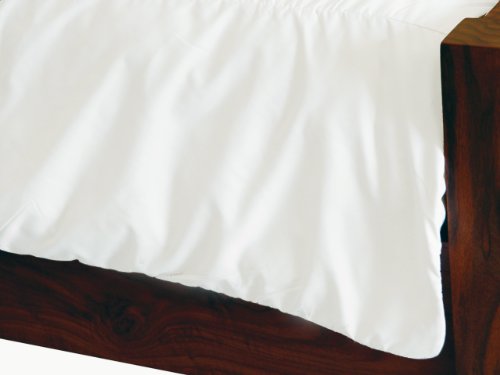
- ✓ Blocks 100% of allergens
- ✓ Silky soft and breathable
- ✓ Durable, high-quality construction
- ✕ Pricey
- ✕ Might be tight on thick comforters
| Material | 100% microfiber polyester, tightly woven, breathable, water-repellent |
| Allergen Barrier | Blocks 100% of dust mite and animal dander allergens |
| Certification | Third-party tested by Indoor Biotechnologies, Inc. |
| Design Features | Bound seams, interior zipper flap to prevent allergen escape |
| Water Vapor Permeability | Air- and water vapor-permeable for comfort |
| Intended Use | Encases existing comforter as an allergen-proof cover |
I was surprised to find that slipping this microfiber cover over my existing comforter felt almost like wrapping it in silk. The silky-smooth fabric immediately caught my hand’s attention, and I expected it to be a bit stiff, but it’s surprisingly soft and breathable.
The tightly woven microfiber feels durable yet airy, which is a huge plus for comfort. I didn’t notice any strange crinkling or noise when I moved around, and the fabric’s breathability kept my sleep cool even on warmer nights.
One thing that stood out is how well it blocks allergens. After a few nights, I didn’t wake up sneezing or stuffed up, which has been a game changer for my dust mite allergy.
The interior zipper flap and high-quality stitching give me confidence it won’t let allergens slip through.
It’s also reassuring to know it’s certified bedbug-proof and third-party tested. The fact that it’s made in the USA adds to the sense of quality and trustworthiness.
Plus, the simple design makes it easy to put on and take off, even for a non-technical person.
Of course, at over $260, it’s a bit of an investment, but for anyone with severe dust mite allergies, it might be worth it. The only downside I see is that it’s designed as a cover, so if your comforter is bulky or thick, it might feel snug.
Overall, this cover exceeded my expectations in both comfort and allergy protection. It’s a smart upgrade if dust mites are a real issue for you, blending medical-grade protection with everyday comfort.
What Is a Dust Mite Allergy and How Does It Affect Sleep Quality?
A dust mite allergy is an immune response triggered by tiny microscopic creatures that thrive in household dust. These mites feed on organic matter such as skin flakes and can be found in bedding, carpets, and upholstered furniture. Common symptoms include:
- Sneezing and nasal congestion
- Itchy or watery eyes
- Coughing and asthma attacks
- Skin rashes or eczema flare-ups
For individuals with dust mite allergies, poor sleep quality may result from nighttime allergy symptoms. This can include waking up frequently, experiencing difficulty breathing, and the inability to attain restful sleep. These factors lead to further issues, such as daytime fatigue, reduced focus, and overall diminished quality of life.
To alleviate the impact of dust mite allergies on sleep, selecting an appropriate comforter is crucial. Hypoallergenic materials like microfiber or silk can help minimize allergen exposure. Moreover, regularly washing bedding in hot water can effectively reduce dust mite populations, contributing to a healthier sleeping environment. Maintaining low humidity levels in the bedroom can also inhibit dust mite growth, enhancing sleep quality further.
How Can Comforters Influence Dust Mite Allergies?
Comforters can significantly impact dust mite allergies through their materials, construction, and maintenance requirements.
- Hypoallergenic Materials: Choosing comforters made from hypoallergenic materials can reduce the risk of dust mite exposure. Fabrics like polyester, microfiber, or tightly woven cotton are less likely to harbor dust mites compared to looser fabrics.
- Encasements and Covers: Using protective encasements and covers for comforters can prevent dust mites from penetrating the bedding. These protective layers are usually made of materials that are impermeable to allergens, effectively creating a barrier between the comforter and the mites.
- Easy Maintenance: The best comforters for dust mite allergies are those that can be easily washed and dried at high temperatures. Regular washing helps eliminate dust mites and their waste products, which are responsible for allergic reactions.
- Low Fill Power: Comforters with lower fill power, like synthetic alternatives, can be better for allergy sufferers. These options tend to be less hospitable to dust mites compared to higher fill power down or feather comforters.
- Moisture Control: Comforters that have moisture-wicking properties help in reducing humidity levels in bedding. Dust mites thrive in humid environments, so using comforters that promote dryness can minimize their presence.
What Materials Are Best for Comforters to Combat Dust Mites?
The best comforters for combating dust mites are typically made from materials that are hypoallergenic and easy to clean.
- Cotton: Cotton is a natural fiber that is breathable and soft, making it an excellent choice for comforters. It can be washed frequently at high temperatures, which helps eliminate dust mites and allergens effectively.
- Bamboo: Bamboo fabric is known for its hypoallergenic properties and moisture-wicking capabilities. It is naturally resistant to dust mites and mold, making it a suitable option for those with allergies.
- Microfiber: Microfiber is a synthetic material that has a tightly woven structure, which helps prevent dust mites from penetrating the fibers. It is also easy to clean and maintain, as it can be machine washed without losing its softness.
- Silk: Silk is a luxurious material that is naturally hypoallergenic and resistant to dust mites. Its smooth surface helps reduce the accumulation of allergens, but it requires more delicate care in terms of cleaning and maintenance.
- Wool: Wool is another natural fiber that is effective at repelling dust mites due to its natural lanolin content. It is also breathable and regulates temperature well, providing comfort while keeping allergens at bay.
- Down Alternative: Down alternative comforters are made from synthetic materials designed to mimic the warmth and softness of down. Many of these alternatives are hypoallergenic and can be washed frequently to reduce dust mite populations.
Which Hypoallergenic Materials Should You Look For?
The best hypoallergenic materials to look for in a comforter for dust mite allergies include:
- Microfiber: Microfiber is a synthetic material that is tightly woven to prevent dust mites and other allergens from penetrating. Its smooth texture and lightweight nature make it a comfortable choice while being easy to wash and maintain.
- Bamboo: Bamboo fabric is naturally hypoallergenic and possesses moisture-wicking properties, making it resistant to mold and dust mites. Additionally, it is biodegradable and environmentally friendly, providing an eco-conscious option for allergy sufferers.
- Cotton (Organic): Organic cotton is grown without pesticides and chemicals, which can be beneficial for individuals with allergies. Its breathable nature helps regulate temperature, and it’s less likely to harbor allergens compared to synthetic fibers.
- Silk: Silk is a natural protein fiber that is less likely to attract dust mites and is naturally hypoallergenic. Its luxurious feel and temperature-regulating properties make it a desirable choice for those seeking comfort while minimizing allergy triggers.
- Wool: Wool is naturally resistant to dust mites and other allergens due to its unique structure and lanolin content. It is also effective in regulating temperature and moisture, making it a practical option for year-round comfort.
How Does Fabric Density Contribute to Allergy Management?
Fabric density plays a crucial role in managing dust mite allergies by influencing the amount of allergens that can penetrate the fabric and reach the sleeper.
- High Thread Count: A comforter with a high thread count typically has a denser weave, which can create a barrier against dust mites and their waste products.
- Material Composition: Certain materials, such as microfiber or tightly woven cotton, can enhance fabric density, making it more resistant to allergen penetration.
- Water-Resistant Fabrics: Some comforters are made with water-resistant coatings that not only repel moisture but also help in preventing dust mites from settling into the fabric.
- Washability: Fabrics that can withstand frequent washing at high temperatures can help maintain low allergen levels, as regular cleaning reduces dust mite populations.
- Allergy-Proof Covers: Using additional covers with high-density fabric can provide an extra layer of protection against dust mites and other allergens.
High thread count comforters create a denser barrier, minimizing the chances of dust mites penetrating the fabric and thus lowering exposure for individuals with allergies. The tightly woven nature of these fabrics ensures that even microscopic allergens have a tougher time escaping into the sleeping environment.
Material composition also plays a significant role; microfiber, for instance, is not only soft and comfortable but also inherently dense, providing an effective shield against allergens. Tightly woven natural fibers like cotton can also serve this purpose, depending on their treatment and weave structure.
Water-resistant fabrics offer dual benefits by repelling moisture that contributes to dust mite proliferation while also acting as a physical barrier. This means that allergens have a harder time infiltrating the comforter, which is especially beneficial for allergy sufferers.
Washability is essential, as the effectiveness of a comforter in managing dust mites diminishes over time without regular cleaning. Comforters that can be washed frequently at high temperatures help eliminate dust mites and their waste, maintaining a cleaner sleeping environment.
Lastly, using allergy-proof covers in conjunction with the comforter adds an additional layer of defense. These covers are designed with high-density fabrics that prevent allergens from passing through, ensuring that the sleeper remains protected throughout the night.
What Are the Best Comforter Choices for Dust Mite Allergy Sufferers?
The best comforter choices for dust mite allergy sufferers are typically made from hypoallergenic materials that are less likely to harbor dust mites and allergens.
- Down Alternative Comforters: These comforters are made from synthetic fibers designed to mimic the softness and warmth of down without the allergens associated with animal products.
- Microfiber Comforters: Microfiber is a tightly woven fabric that can help prevent dust mites from penetrating the material, making it an excellent choice for allergy sufferers.
- Bamboo Comforters: Bamboo fibers naturally resist dust mites and other allergens, and they also have moisture-wicking properties that keep the bedding dry and comfortable.
- Wool Comforters: Wool is naturally resistant to dust mites and mold, providing a breathable option that helps regulate temperature while keeping allergens at bay.
- Organic Cotton Comforters: Made from organic cotton, these comforters are free from harmful chemicals and provide a natural barrier against dust mites and other allergens.
Down Alternative Comforters are a popular option as they offer warmth and comfort without the risk of triggering allergies associated with natural down feathers. These comforters are often machine washable and can be easily maintained, which is crucial for keeping allergens at bay.
Microfiber Comforters are effective due to their dense weave, which not only provides a soft touch but also prevents dust mites from infiltrating the material. This fabric is also lightweight and easy to clean, making it a practical choice for those with allergies.
Bamboo Comforters stand out for their natural hypoallergenic properties and ability to wick away moisture, which discourages dust mite growth. Additionally, bamboo fabric is soft and breathable, providing a comfortable sleeping environment.
Wool Comforters are beneficial because wool fibers can naturally repel dust mites and mold, making them ideal for individuals with sensitivities. The ability of wool to regulate temperature also ensures a comfortable night’s sleep regardless of the season.
Organic Cotton Comforters provide a non-toxic alternative, as they are made without harmful pesticides and chemicals. This makes them a safe choice for allergy sufferers, while still offering the comfort and breathability associated with cotton bedding.
How Can You Maintain Your Comforter to Minimize Dust Mite Exposure?
To minimize dust mite exposure and maintain your comforter, consider the following practices:
- Regular Washing: Washing your comforter in hot water regularly can effectively kill dust mites. Aim to wash it at least once every two weeks to reduce allergens significantly.
- Use Protective Covers: Encase your comforter in allergen-proof covers that create a barrier against dust mites. These covers should be tightly woven to prevent any mites from passing through and should be washed periodically.
- Drying Thoroughly: After washing, ensure your comforter is thoroughly dried, preferably in a hot dryer. This will help eliminate any remaining dust mites and moisture, which can encourage their growth.
- Keep Humidity Low: Maintaining indoor humidity levels below 50% can significantly reduce dust mite populations. Consider using a dehumidifier in your bedroom to help keep the environment less hospitable for these allergens.
- Choose Hypoallergenic Materials: Selecting a comforter made of hypoallergenic materials can minimize allergic reactions. Fabrics like cotton, silk, or synthetic alternatives specifically designed for allergy sufferers often resist dust mite accumulation.
- Vacuum Regularly: Regular vacuuming of your bedding and surrounding areas with a HEPA filter vacuum can help remove dust mites and their waste products. This practice should be done at least once a week to maintain a clean sleeping environment.
- Limit Upholstered Furniture: Reducing the amount of upholstered furniture in your bedroom can help decrease dust mite habitats. Opt for wooden or metal furniture that is easier to clean and does not harbor dust mites.
What Other Tips Can Help Alleviate Dust Mite Allergies in Bedding?
To alleviate dust mite allergies in bedding, consider the following tips:
- Use Hypoallergenic Bedding: Opting for hypoallergenic pillowcases, mattress protectors, and comforters can significantly reduce exposure to dust mites. These materials are designed to repel allergens and are often made from tightly woven fabrics that prevent dust mites from penetrating.
- Wash Bedding Regularly: Washing sheets, pillowcases, and comforters in hot water (at least 130°F) once a week can help eliminate dust mites and their waste products. This routine helps keep your bedding free from allergens and maintains a healthier sleeping environment.
- Choose the Right Comforter: Selecting a comforter specifically labeled as dust mite resistant can provide an additional layer of protection. Look for options made from synthetic materials like polyester, which are less hospitable to dust mites compared to natural fibers.
- Maintain Low Humidity: Keeping the humidity levels in your bedroom below 50% can inhibit the growth of dust mites. Using a dehumidifier or air conditioner can help create an environment that is less favorable for these pests.
- Regular Cleaning of the Bedroom: Regularly dusting and vacuuming your bedroom, especially carpets and upholstered furniture, can help reduce dust mite populations. Using a vacuum with a HEPA filter can effectively trap allergens and prevent them from being recirculated into the air.