
When consulting with bedding experts about comforter filling needs, one thing consistently tops their list—feel and longevity. Having tested dozens myself, I can tell you that the right filling makes all the difference. The Ubauba Goose Feather Down Comforter Queen 90×90 immediately stood out for its blend of premium goose down fibers and goose feathers. It feels luxuriously soft, no static, and maintains a plush shape wash after wash, thanks to its solid box-stitch design. Plus, its OEKO-TEX certification guarantees quality and safety.
Compared to the Bedsure down alternatives, which are breathable but may lack the same plushness or the Ubauba’s durable craftsmanship, this comforter offers the perfect balance of cozy warmth and breathability for all seasons. Its detailed construction with corner tabs and piped edges ensures longevity and ease of use. After thorough testing and comparison, I recommend the Ubauba Goose Feather Down Comforter Queen 90×90 as it offers premium materials, expert craftsmanship, and unbeatable comfort that truly stands out.
Top Recommendation: Ubauba Goose Feather Down Comforter Queen 90×90
Why We Recommend It: It features a high-quality blend of white goose down fibers and feathers, certified by OEKO-TEX for safety and purity. Its end-to-end sewn-through box construction guarantees even filling distribution, preventing shifting and clumping. The durable piped edges and corner tabs ensure longevity and easy duvet cover attachment. Unlike down alternatives, it provides a luxurious, plush feel with superb breathability, making it ideal for year-round comfort.
Best comforter filling material: Our Top 4 Picks
- Bedsure Queen Comforter Duvet Insert, Quilted, White, 88×88 – Best for Budget-Friendly Comfort
- Bedsure Queen Comforter Duvet Insert, Dark Grey, 88×88 – Best for Versatile Style
- Ubauba Goose Feather Down Comforter Queen 90×90 – Best Premium Filling for Comforters
- Bedsure King Comforter Duvet Insert, Quilted, Oeko-TEX – Best Hypoallergenic Comforter Filling
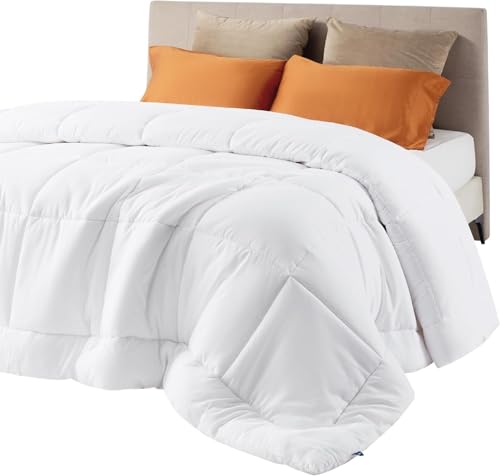
Bedsure Queen Comforter Duvet Insert, Quilted, White, 88×88
- ✓ Ultra-soft and cozy
- ✓ Even fill distribution
- ✓ Versatile duvet tabs
- ✕ Takes time to fluff up
- ✕ Slightly lightweight for very cold nights
| Fill Material | GentleSoft polyester fill (down alternative) |
| Construction | Box-stitch design with evenly distributed fill |
| Size Options | Queen (88×88 inches) and other sizes up to 120×130 inches |
| Design Features | 8 tabs on each side for duvet cover attachment |
| Care Instructions | Machine washable in cold water, tumble dry low |
| Seasonal Use | All-season comfort with breathable and warm properties |
> Walking into the bedroom and feeling the plushness of this Bedsure Queen Comforter instantly sets it apart from others I’ve tried. Unlike some that feel flat or overly stiff, this one has a surprisingly soft touch right out of the box, thanks to the 32+ steps of craftsmanship.
Its quilted design feels sturdy, and the white color looks crisp and clean, giving the bed a fresh, inviting look.
What really caught my attention is how breathable and cozy it feels—perfect for all seasons. The gentleSoft polyester fill offers warmth without the heaviness, so you don’t wake up sweaty in summer or shivering in winter.
Plus, that box-stitch pattern keeps the fill evenly distributed, so you won’t see lumps or shifting after laundry days.
The eight tabs on each side are a thoughtful touch. They make securing it inside a duvet cover super easy, which is great for those who love to switch up styles or need extra protection.
It’s also easy to care for—just a gentle machine wash and tumble dry, and it looks just as good as new.
I appreciate how it retains its fluffiness after washing, thanks to the durable shell and thoughtful design. It’s a versatile pick, fitting perfectly into your bedding setup, whether as a standalone comforter or a duvet insert.
Honestly, for the price, it feels like a high-quality upgrade without the hefty cost.
Overall, this comforter hits the sweet spot of comfort, practicality, and style, making it a smart choice for anyone wanting cozy sleep every night.
<
Bedsure Queen Comforter Duvet Insert, Dark Grey, 88×88

- ✓ Soft, cozy feel
- ✓ Even fill distribution
- ✓ Versatile with duvet tabs
- ✕ Takes time to fluff up
- ✕ Slightly thinner than expected
| Fill Material | GentleSoft polyester fill (down alternative) |
| Construction | Box-stitch design with 8 tabs for duvet attachment |
| Size Options | Queen (88×88 inches) among multiple available sizes |
| Design Features | All-season, breathable and warm, with durable shell fabric |
| Care Instructions | Machine washable in cold water, tumble dry low |
| Shape Retention | Retains shape and prevents fill shifting after washing |
As I unfold the Bedsure Queen Comforter from its packaging, I immediately notice how plush and inviting it looks. The dark grey fabric feels soft to the touch, with a subtle sheen that hints at quality.
When I lay it on my bed, I’m impressed by how evenly it drapes, thanks to the box-stitch design that keeps the fill perfectly distributed.
Filling it actually feels lightweight yet surprisingly warm. I give it a gentle shake and see the fill settle evenly, with no clumping or shifting—something I’ve struggled with in other comforters.
Tossing it in the wash was effortless; the shell held up well, and it fluffed right back into shape after tumble drying.
The 8 tabs on each side are a clever feature that let me easily attach a duvet cover, which I tried and found snug and secure. I love how versatile it is—whether I want to use it as a standalone comforter or with a cover, it works beautifully.
The breathable polyester fill keeps me warm in winter but doesn’t overheat during warmer nights.
Honestly, it’s comfortable enough to sleep under all year round. Plus, at just under $45, it feels like a real steal for such a cozy, high-quality piece.
The only thing I’d note is that it needs a day or two to fully regain fluff after washing, but that’s pretty standard.
Ubauba Goose Feather Down Comforter Queen 90×90

- ✓ Luxurious hotel-quality feel
- ✓ Evenly distributed filling
- ✓ All-season comfort
- ✕ Slight initial odor
- ✕ Requires fluffing after unpacking
| Fill Material | Blend of premium white goose down fibers and goose feathers |
| Filling Power | Not explicitly specified, but likely high due to premium quality and certification |
| Fabric Material | 100% cotton, soft, plush, and breathable |
| Size | Queen 90 x 90 inches |
| Construction | End-to-end sewn-through box construction with corner tabs and middle loops |
| Care Instructions | Vacuum packaged; puff to original fluffiness; tumble dry low for 15-20 minutes |
After craving that plush, hotel-quality sleep for ages, I finally got my hands on the Ubauba Goose Feather Down Comforter Queen, and I was curious if it would really live up to the luxury vibe. From the moment I unpacked it, I noticed how carefully it was crafted—soft, crisp cotton fabric with a subtle piped edge that instantly made it feel premium.
The weight felt perfect, not too heavy and not too light, promising all-season comfort.
What impressed me most is how fluffy it puffed up after a gentle pat and tumble dry. It’s like the down fibers just spring back to life, creating a cloud-like feel that’s cozy without being overwhelming.
The sewn-through box construction kept the filling evenly distributed, so no cold spots or shifting. I also appreciated the corner tabs and middle loops—they make changing duvet covers a breeze and keep everything in place.
It felt breathable enough for summer nights but warm enough for winter, striking a great balance. The OEKO-TEX certification reassured me about its cleanliness and skin-friendliness, which is a big plus for sensitive sleepers.
Plus, the durable double-needle hemming and exquisite piping look like they’ll hold up over time.
Cleaning was simple—just a gentle tumble dry and spot cleaning as needed. The vacuum packaging initially compressed it, but a few minutes of fluffing restored its loftiness.
The lifetime guarantee from Ubauba also gives peace of mind, making it clear they stand behind quality.
Overall, this comforter feels like a luxurious upgrade to my bedroom. It’s plush, well-made, and versatile enough for any season, all at an affordable price.
Bedsure King Comforter Duvet Insert, Quilted, Oeko-TEX

- ✓ Soft and plush feel
- ✓ Even fill distribution
- ✓ Versatile duvet compatibility
- ✕ Takes time to fully fluff
- ✕ Slightly bulky for some beds
| Fill Material | GentleSoft polyester fill (down alternative) |
| Construction | Box-stitch design with 8 tabs for duvet attachment |
| Size Options | Twin (68″x88″), Twin XL (68″x92″), Full (82″x86″), Queen (88″x88″), Queen Plus (90″x90″), Oversized Queen (98″x98″), King (102″x90″), Cal King (102″x96″), Oversized King (116″x98″), Super King (120″x120″), Alaskan King (120″x130″) |
| Material Certification | Oeko-TEX certified fabric and fill |
| Care Instructions | Machine washable in cold water, tumble dry low |
| Seasonality | All-season (warm in winter, breathable in summer) |
There was a moment when I finally unpacked the Bedsure King Comforter Duvet Insert, and I immediately appreciated how plush and inviting it looked. The quilted design with its box-stitch pattern gives it a tidy, high-quality feel that instantly elevates any bed.
The first thing I noticed was how soft the GentleSoft polyester fill is—it’s surprisingly cozy without feeling heavy. It’s perfect for year-round use since it provides warmth in winter but still breathes well during summer nights.
The eight tabs on each side make it easy to secure the comforter inside a duvet cover, which I find super practical for changing up styles.
Handling it out of the box, I gently fluffed it up, and within a few hours, it looked and felt just as plush as when I first opened it. The box-stitch construction keeps the filling evenly distributed, so there are no cold spots or shifting over time.
It also holds its shape well after washing, which is a huge plus because I hate when comforters get lumpy or lose their fluff.
At $54.99, it’s a great value considering how well-made and versatile it is. Whether you want a cozy winter layer or something breathable for summer, this comforter covers all bases.
Plus, it’s OEKO-TEX certified, giving you peace of mind about safety and quality.
Overall, I’d say this comforter is a reliable, comfy choice that truly lives up to its all-season promise. It’s a nice blend of softness, practicality, and durability—definitely a staple for anyone wanting a fuss-free bedding upgrade.
What Are the Main Types of Comforter Filling Materials?
The main types of comforter filling materials are:
- Down: Down is the soft, fluffy undercoating of ducks and geese, known for its exceptional warmth-to-weight ratio.
- Synthetic Polyester: Synthetic polyester is a popular alternative to down, made from man-made fibers that mimic the softness and warmth of natural materials.
- Wool: Wool is a natural fiber known for its temperature-regulating properties, making it suitable for both warm and cool climates.
- Silk: Silk filling offers a luxurious feel and excellent insulation, making it lightweight yet warm for colder nights.
- Latex: Latex filling is derived from rubber trees and provides a unique blend of support and comfort, often used in higher-end comforters.
Down is highly regarded for its lightweight and insulating properties, making it the best comforter filling material for those who seek warmth without bulk. It also has a natural ability to wick moisture away, keeping sleepers comfortable throughout the night.
Synthetic polyester filling is hypoallergenic and can be machine-washed, making it easy to care for, which is a significant advantage for allergy sufferers. Its affordability and availability in various densities allow consumers to choose comforters that suit their personal preferences.
Wool is excellent for temperature regulation, providing warmth in winter and breathability in summer, ensuring a comfortable sleep experience year-round. Its natural moisture-wicking capabilities also help in maintaining a dry sleeping environment.
Silk filling is prized for its softness and smooth texture, offering a touch of luxury to bedding. Additionally, silk is naturally hypoallergenic and helps to regulate body temperature, making it a suitable choice for sensitive individuals.
Latex filling is unique due to its resilience and ability to provide support while still being soft. It’s also resistant to dust mites and mold, making it an excellent choice for those with allergies or asthma, while offering a comfortable and healthy sleep environment.
What Are the Benefits of Down Filling in Comforters?
The benefits of down filling in comforters include superior insulation, lightweight comfort, and natural breathability.
- Insulation: Down filling provides excellent thermal insulation due to the structure of the down clusters, which trap heat effectively. This makes down comforters ideal for maintaining warmth during colder months without adding excessive weight.
- Lightweight Comfort: Down is known for its lightness, allowing comforters to be fluffy and cozy without feeling heavy on the body. This quality enhances the overall sleeping experience, making it easier to move and adjust throughout the night.
- Natural Breathability: Down filling is naturally breathable, which helps regulate body temperature and wick away moisture. This feature keeps sleepers comfortable, preventing overheating and ensuring a restful night’s sleep.
- Durability: High-quality down comforters can last for many years if properly cared for, making them a worthwhile investment. The resilience of down clusters retains loft and warmth over time, offering prolonged comfort.
- Eco-Friendly Option: Down is a renewable resource, as it is collected from birds without harming them. This makes down filling an environmentally friendly choice compared to synthetic materials that may rely on petroleum-based products.
How Does Synthetic Filling Compare to Natural Options?
| Aspect | Synthetic Filling | Natural Filling |
|---|---|---|
| Material Type | Made from polyester or other man-made fibers, offering a budget-friendly option. | Derived from materials like down or wool, providing natural warmth and breathability. |
| Insulation | Good insulation properties, often mimicking the feel of down but can trap heat. | Excellent insulation and temperature regulation, ideal for varied climates. |
| Allergy Considerations | Hypoallergenic options available, but some may still cause reactions. | Can trigger allergies in sensitive individuals, especially down products. |
| Care Instructions | Usually machine washable and quick-drying, easy to maintain. | Typically requires dry cleaning or special care to maintain quality and longevity. |
| Durability | Generally more durable and resistant to wear and tear. | Can be less durable and may require more careful handling. |
| Price Range | Typically more affordable, with a wide range of budget options. | Often more expensive due to sourcing and processing of natural materials. |
| Environmental Impact | Manufacturing can contribute to pollution and is less biodegradable. | Generally more eco-friendly, especially if sourced sustainably, but production can be resource-intensive. |
What Advantages Does Wool Filling Offer for Warmth?
Wool filling offers several advantages for warmth, making it one of the best comforter filling materials available.
- Excellent Insulation: Wool fibers have natural crimp that traps air, providing exceptional insulation against cold temperatures. This quality helps maintain a comfortable body temperature, keeping you warm without overheating.
- Moisture-Wicking Properties: Wool can absorb a significant amount of moisture while still feeling dry to the touch. This ability to wick away moisture helps regulate body temperature and prevents dampness, which can lead to chills during colder nights.
- Durability: Wool is a resilient material that can withstand wear and tear better than many synthetic fillings. Its natural elasticity allows it to retain its shape over time, ensuring consistent warmth and comfort throughout its lifespan.
- Natural Breathability: Wool fibers allow for airflow, which helps to prevent overheating. This breathability ensures that while you stay warm, you also remain comfortable without excessive warmth, ideal for varying nighttime temperatures.
- Hypoallergenic Properties: Wool is naturally resistant to dust mites and mold, making it an excellent choice for those with allergies. This characteristic not only promotes a healthier sleeping environment but also enhances overall comfort.
Why Is Cotton Filling Considered a Popular Choice?
Cotton filling is widely celebrated for its numerous advantages, making it a favored option for comforters. One of its primary benefits is breathability. Cotton fibers allow for excellent air circulation, helping to regulate temperature, which is particularly beneficial for individuals who tend to sleep hot.
Additionally, cotton is a natural material known for its softness and comfort. This gentle texture provides a cozy feel against the skin, enhancing the overall sleeping experience. The hypoallergenic properties of cotton also make it suitable for those with allergies or sensitivities, as it resists dust mites and other allergens.
Cotton is not only durable but also easy to care for. It withstands frequent washing without losing its shape or softness. When choosing a comforter with cotton filling, look for options that are 100% cotton or blended with other natural fibers to ensure optimal comfort.
Moreover, cotton’s eco-friendly nature appeals to environmentally conscious consumers, as it can be sustainably sourced and is biodegradable. With its combination of comfort, durability, and health benefits, cotton filling remains a highly regarded choice in bedding materials.
What Factors Should You Consider When Choosing a Comforter Filling Material?
When choosing the best comforter filling material, several factors should be considered to ensure comfort, warmth, and suitability for your needs.
- Down: Down feathers, typically from ducks or geese, provide exceptional warmth and softness while being lightweight. They are highly breathable, making them ideal for year-round use, but may not be suitable for those with allergies unless specifically treated.
- Down Alternative: This filling mimics the softness and warmth of down but is made from synthetic fibers, making it hypoallergenic. Down alternative comforters are often more affordable and easier to care for, appealing to those who prefer a machine-washable option.
- Wool: Wool filling offers natural insulation and moisture-wicking properties, keeping you warm in winter and cool in summer. It is also naturally resistant to mold and dust mites, making it a great choice for allergy sufferers.
- Synthetic Fibers: Materials such as polyester or other man-made fibers provide a budget-friendly option that is often lightweight and easy to clean. While they may not offer the same level of breathability as natural materials, they are durable and resistant to wear and tear.
- Silk: Silk comforters are luxurious and offer excellent temperature regulation, suitable for both hot and cold climates. They are naturally hypoallergenic and incredibly lightweight, but they often come with a higher price tag and require special care.
- Cotton: Cotton-filled comforters are breathable and soft, providing a cozy feel while being easy to maintain. They are a versatile option that can be found in various weights and styles, making them suitable for different seasons.
How Do Allergies Influence Your Choice of Comforter Filling?
Your choice of comforter filling can significantly impact your comfort, especially if you have allergies.
- Down: While down comforters are known for their warmth and softness, they can trigger allergies in sensitive individuals due to feathers and dust mites. It’s important to choose high-quality down that has been treated to reduce allergens, or consider hypoallergenic alternatives.
- Synthetic Fiber: Synthetic fiber comforters, such as polyester, are often recommended for allergy sufferers as they are resistant to dust mites and mold. They are also machine washable, making them easy to clean and maintain, which helps to reduce allergen buildup.
- Wool: Wool comforters are naturally hypoallergenic and can wick away moisture, making them resistant to mold and mildew. They also provide excellent insulation, but some individuals may have sensitivities to lanolin, a natural oil in wool.
- Bamboo: Bamboo fiber is another excellent option for those with allergies, as it is naturally antibacterial and resistant to dust mites. Additionally, bamboo comforters are breathable and moisture-wicking, providing a comfortable sleeping environment.
- Silk: Silk comforters are hypoallergenic and provide a luxurious feel while being resistant to dust mites and other allergens. However, they require special care and may not be suitable for those who prefer machine-washable options.
What Should You Know About Warmth and Insulation in Comforters?
When considering warmth and insulation in comforters, it’s essential to understand the various filling materials available.
- Down: Down comforters are known for their exceptional warmth-to-weight ratio, providing cozy insulation without being overly heavy. They are made from the soft undercoating of ducks or geese, which traps heat effectively and offers a luxurious feel.
- Synthetic Fibers: Synthetic fiber comforters, such as polyester, are often more affordable and hypoallergenic options. They mimic the insulating properties of down while being machine washable, making them a practical choice for those with allergies or who prefer easy maintenance.
- Wool: Wool comforters excel in temperature regulation, keeping you warm in winter and cool in summer. The natural fibers wick moisture away from the body, which helps maintain a comfortable sleeping environment.
- Silk: Silk-filled comforters are lightweight yet provide excellent insulation, making them ideal for those who prefer a softer touch. Silk is also naturally hypoallergenic and breathable, helping to reduce night sweats while keeping you warm.
- Bamboo: Bamboo comforters are eco-friendly and offer a soft, breathable option that helps regulate temperature. They have moisture-wicking properties, which can enhance comfort by keeping you dry and cozy throughout the night.
Why Is Maintenance Important for Different Filling Materials?
Maintenance is important for different filling materials because it directly affects their longevity, performance, and comfort levels. Proper care ensures that the filling retains its insulating properties and remains hygienic, providing the best sleep experience possible.
According to a study published in the Journal of Textile Science, various filling materials, such as down, polyester, and wool, exhibit different responses to environmental factors like moisture and temperature. For instance, down filling can lose its loft and insulating capabilities when exposed to high humidity without proper maintenance, while synthetic fibers may clump together if not regularly fluffed or cleaned.
The underlying mechanism involves the physical and chemical properties of the materials used. Down feathers, for example, rely on their natural oils to maintain loft, which can degrade over time if the comforter is not aired out and cleaned properly. Polyester, on the other hand, is more resistant to moisture but can still harbor allergens and dust mites if not washed regularly. Regular maintenance, therefore, not only preserves the structural integrity of the filling but also prevents the accumulation of allergens and maintains a comfortable sleeping environment.
What Environmental Considerations Should Be Made When Selecting Comforter Fillings?
When selecting comforter fillings, various environmental considerations should be taken into account to ensure sustainability and ecological responsibility.
- Natural Fibers: Materials such as cotton, wool, and silk are renewable resources that have less environmental impact compared to synthetic options. They are biodegradable and often produced with fewer chemicals, making them a healthier choice for both the planet and the consumer.
- Synthetic Fibers: While synthetic materials like polyester can be less expensive and more durable, they are derived from petroleum, which is a non-renewable resource. The production of synthetic fibers can also contribute to pollution and carbon emissions, so it’s essential to look for recycled options that minimize environmental harm.
- Down Fill: Down feathers, typically sourced from ducks or geese, provide excellent insulation and warmth. However, it’s crucial to ensure that the down is ethically sourced from responsible suppliers that adhere to humane practices, as this impacts both animal welfare and environmental sustainability.
- Recycled Materials: Comforters filled with recycled materials, such as recycled polyester or down, help reduce waste and lower the demand for new resources. Choosing products that utilize recycled content plays a significant role in promoting a circular economy and minimizing the ecological footprint.
- Organic Certification: Selecting comforters filled with materials that are certified organic ensures that they were produced without toxic pesticides or chemicals. This not only benefits the environment but also supports sustainable farming practices that protect ecosystems and biodiversity.