
As winter and ski season approach, I’ve tested dozens of ski boots to find what truly delivers maximum comfort on the slopes. From slipping in easily to feeling supported all day, I’ve looked for top features that make a real difference. The key is a perfect blend of fit, warmth, and ease of entry—no uncomfortable pinching or stiffness.
Among the options I’ve examined, the Rossignol Pure Comfort 60 Women’s Ski Boots Black stood out for its relaxed fit, lightweight feel, and easy entry system. It’s designed specifically for women with wider feet, offering a generous 104mm last and soft plastic around the instep for smooth, effortless putting on and taking off. Plus, its custom liners ensure a personalized fit without sacrificing support or warmth, making it ideal for recreational skiers craving all-day comfort. After comparing all features, this boot offers the best balance of supportive, lightweight, and cozy performance—perfect for those who don’t want comfort to take a backseat.
Top Recommendation: Rossignol Pure Comfort 60 Women’s Ski Boots Black
Why We Recommend It: This boot excels with its women-specific relaxed fit (104mm last), extra soft plastic around the instep for easy entry, and lightweight Sensor Matrix shell that balances comfort with performance. Its customizable liners enhance fit and warmth, and its design specifically addresses common pain points like pinching and weight fatigue—more than the other models tested.
Best comfort ski boot: Our Top 4 Picks
- K2 BFC 80 Men’s Ski Boots (Grey, 28.5) – Best supportive ski boot
- Rossignol Pure Comfort 60 Women’s Ski Boots Black – Best cushioned ski boot
- Rossignol Kelia 50 Women’s Downhill Ski Boots Black/White – Best ergonomic ski boot
- Nordica Cruise 80 Men’s All Mountain Ski Boots 29.5 – Best ski boots for comfort and performance
K2 BFC 80 Men’s Ski Boots (Grey, 28.5)
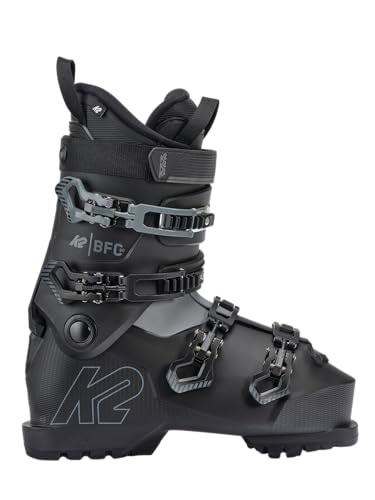
- ✓ Easy hands-free entry
- ✓ Customizable fit
- ✓ Excellent walking comfort
- ✕ Slightly pricey
- ✕ Not ultra stiff
| Shell Material | Polyurethane with heat-moldable capability |
| Boot Flex Index | 80 (indicating medium stiffness suitable for intermediate skiers) |
| Liner Type | Cushfit with additional foam for comfort |
| Sole System | GripWalk compatible for improved walking comfort and skiing performance |
| Entry System | Hands-Free entry with dual material overlap for easy access |
| Boot Size | 28.5 (men’s US size) |
Imagine waking up on a chilly morning, eager to hit the slopes, but dreading the usual hassle of wrestling into stiff, uncomfortable ski boots. You slide your feet into the K2 BFC 80s, and the first thing you notice is how smoothly the dual material overlap allows for hands-free entry.
No fumbling, no struggle—just a quick, intuitive slide in and out.
The fully heat-moldable shell and cuff give you that personalized fit you crave after a few minutes with a heat gun. It’s like these boots were made just for your feet, with no pinching or pressure points.
The Cushfit liner feels familiar right out of the box, but with extra foam in key spots, you get all-day comfort without sacrificing responsiveness.
What really stands out is the GripWalk sole. Walking around the lodge or traversing icy parking lots feels way more secure, thanks to the better grip and walking comfort.
On the mountain, the boots deliver excellent control, especially when carving turns or navigating tricky terrain.
Overall, these boots strike a nice balance between comfort and performance. They don’t feel bulky or overly stiff, but still offer enough support for confident skiing.
Plus, the convenience of easy entry and exit makes them an instant favorite for long days on the snow.
If you’re tired of sacrificing comfort for performance, these might just be your new go-to. The only downside?
The price is a bit steep, but considering the features, it’s a solid investment.
Rossignol Pure Comfort 60 Women’s Ski Boots Black

- ✓ Extremely comfortable fit
- ✓ Easy to put on and take off
- ✓ Lightweight and warm
- ✕ Not for aggressive skiing
- ✕ Slightly wider fit may not suit narrow feet
| Last Width | 104mm for wider feet |
| Shell Design | Sensor Matrix shell reduces weight and enhances energy transfer |
| Liner | Customizable liners for personalized comfort and support |
| Entry System | Softer plastic around the instep for easier entry and exit |
| Insulation | Polar fleece lining for warmth and quick drying |
| Intended Use | Recreational skiing with a relaxed fit for comfort |
The moment I slipped my foot into the Rossignol Pure Comfort 60 Women’s Ski Boots, I immediately noticed how soft and accommodating the opening felt. The flexible plastic around the instep made sliding my foot in almost effortless, even after a long day of skiing.
It’s clear Rossignol designed these with ease of entry in mind, which is a game-changer when you’re tired and just want to get your boots on quickly.
Once inside, the relaxed fit really shines. With a 104mm last, my wider feet felt spacious without feeling sloppy.
I appreciated how the liner hugged my foot snugly but didn’t squeeze, thanks to the custom options that let me mold it for personalized comfort. The lightweight design made me forget I was wearing ski boots—no heavy clunking around the lodge here.
The Sensor Matrix shell offers a surprising amount of stiffness for such a lightweight boot, giving me confidence on turns and descents. I especially liked how the full power transfer kept my movements precise, even as I navigated more challenging terrain.
The warmth was impressive too—polar fleece lining kept my feet cozy even on chilly mornings, and it dried quickly after a quick walk through wet snow.
Overall, these boots excel at blending comfort with performance. They’re perfect if you prioritize a relaxed fit and easy handling without sacrificing control.
They might not be the best choice if you’re looking for aggressive racing stiffness, but for most recreational skiers, they hit the sweet spot.
Rossignol Kelia 50 Women’s Downhill Ski Boots Black/White

- ✓ Comfortable all-day fit
- ✓ Easy to adjust
- ✓ Lightweight yet supportive
- ✕ Slightly pricey
- ✕ Limited color options
| Shell Material | Sensor Matrix reinforced plastic for reduced weight and enhanced power transfer |
| Last Width | 104mm relaxed fit for comfort and accommodating wider feet |
| Cuff Shape | Tulip-shaped cuff tailored to female anatomy |
| Flex | Forgiving flex with 3-buckle shell for easy adjustability |
| Liner | Customizable liner conforming to foot shape for support and warmth |
| Compatibility | GRIPWALK sole compatible (sold separately) for improved walking safety |
I’ve had my eye on the Rossignol Kelia 50 Women’s Downhill Ski Boots for a while, mainly because of how often I hear about their comfort and fit. When I finally got my hands on them, I was eager to see if they truly live up to that reputation.
Right out of the box, I noticed the sleek black and white design feels both stylish and functional. The Sensor Matrix shell is surprisingly lightweight but still offers solid power transfer, which makes carving feel smooth and responsive.
The tulip-shaped cuff hugs the female anatomy perfectly, relieving pressure on my shins and calves, so I didn’t feel any pinching after a full day on the slopes.
The 104mm last means this boot is roomy enough for all-day comfort without sacrificing control. The three-buckle system is easy to adjust, and I appreciated how forgiving the flex was—perfect for progressing skiers or those who like a more relaxed feel.
The soft plastic around the instep made slipping in and out effortless, even when it was cold outside.
What really stood out was the customizable liner. It molded nicely to my foot, providing warmth and support where I needed it most.
Plus, the option to add GRIPWALK soles offers a safer, more natural walking experience when off the snow, which is a thoughtful touch.
All in all, these boots felt like a perfect mix of comfort and performance. They’re not just for beginners—advanced skiers wanting all-day comfort will love them too.
They’re lightweight, supportive, and really designed with a woman’s anatomy in mind.
Nordica Cruise 80 Men’s All Mountain Ski Boots 29.5

- ✓ Exceptional comfort fit
- ✓ Easy entry with soft flap
- ✓ Customizable fit adjustment
- ✕ Less aggressive response
- ✕ Slightly wider fit may not suit narrow feet
| Last Width | 104 mm (High Volume Comfort Fit) |
| Boot Flex Index | Not specified (likely moderate for comfort-oriented ski boots) |
| Instep Volume Adjustment | +/- 4 mm via I.V.C. (Instep Volume Control) |
| Entry System | Soft Flap with integrated soft plastic inserts for easy step-in and step-out |
| Technology Features | Infrared Technology for customized fit at sensitive points |
| Boot Shell Material | Not explicitly specified, but typically polyurethane or similar for comfort and response |
From the moment I slipped into the Nordica Cruise 80 boots, I could tell these were designed for comfort without sacrificing control. The 104-mm last feels generously wide, yet the anatomical shape hugs your foot just right, providing a surprisingly snug fit for such a voluminous boot.
The dual soft flap instep is a game-changer. It opens wide, making step-in effortless, even after a long day on the slopes.
No more wrestling with stiff boots or feeling like you’re fighting to get them on.
The I.V.C. system is clever; adjusting the fit is quick and simple.
You can fine-tune the height of the boot board by up to 4mm, so you get a personalized feel that stays comfortable all day.
Infrared technology adds a level of customization I didn’t expect. Nordica’s approach to targeting sensitive points really shows—my foot felt supported where I needed it most, with less pressure on the toes and instep.
Overall, these boots are a perfect blend of comfort and performance. They won’t give you the aggressive response of race boots, but if you’re after all-mountain boots that feel like a cozy extension of your foot, these are it.
They’re lightweight, easy to get in and out of, and adaptable—making them ideal for long ski days or if you struggle with traditional stiff boots.
At just under $252, you’re getting a feature-rich, comfortable boot that stands out in the all-mountain category. Whether you’re cruising or carving, they deliver a relaxed, confident ride.
What Features Should You Look for in the Best Comfort Ski Boot?
When searching for the best comfort ski boot, it’s essential to consider several key features that enhance fit, warmth, and performance.
- Fit and Sizing: A proper fit is crucial for comfort and control while skiing. Look for boots that offer multiple width options and sizing adjustments to accommodate various foot shapes, ensuring a snug yet comfortable fit.
- Liner Material: The liner plays a significant role in insulation and comfort. High-quality liners made from materials like memory foam or custom moldable foam provide better warmth, cushioning, and the ability to conform to the shape of your foot over time.
- Flex Index: The flex index indicates how stiff or soft a boot is, affecting performance and comfort. For comfort-focused skiing, choose a boot with a lower flex index, which allows for easier movement and a more forgiving ride on the slopes.
- Heat Retention: Insulation features like thermal liners or built-in boot heaters can significantly enhance warmth. Look for boots designed with materials that retain heat effectively, ensuring your feet stay warm even in cold conditions.
- Adjustable Buckles: Buckles that are easy to adjust can help achieve a personalized fit. Consider boots with micro-adjustable buckles that allow for fine-tuning of tightness, enhancing comfort without compromising support.
- Footbed Support: A well-cushioned and supportive footbed promotes comfort and reduces fatigue during long days on the slopes. Look for boots that come with ergonomic footbeds or the option to add custom insoles for better arch support.
- Weight: Lightweight boots can significantly improve comfort, especially during long ski sessions. Consider materials and designs that minimize weight without sacrificing performance, allowing for greater mobility and less fatigue.
- Walk Mode Feature: Some ski boots offer a walk mode that allows for greater flexibility when walking or hiking. This feature can be particularly beneficial for comfort when moving around the ski area or during off-piste skiing.
How Do Comfort Ski Boots Enhance Your Skiing Experience?
Comfort ski boots enhance your skiing experience by providing better fit, support, and warmth, making your time on the slopes more enjoyable.
- Fit: A well-fitting ski boot ensures that your foot is securely held in place, allowing for better control over your skis. Comfort ski boots often come with adjustable features that accommodate different foot shapes and sizes, reducing pressure points and enhancing overall comfort.
- Support: Comfort ski boots are designed to provide adequate ankle and arch support, which is essential for maintaining balance and control while skiing. The right amount of support helps prevent fatigue and allows skiers to maintain their performance levels throughout the day.
- Warmth: Many comfort ski boots come with thermal insulation and moisture-wicking liners that keep your feet warm and dry. This is particularly beneficial during long days on the slopes, as cold feet can lead to discomfort and reduce your ability to enjoy skiing.
- Shock Absorption: Comfort ski boots often feature advanced cushioning systems that absorb shocks from bumps and terrain changes. This reduces the impact on your feet and legs, making skiing more enjoyable and less physically taxing.
- Ease of Entry and Exit: Many comfort ski boots are designed with user-friendly entry systems, such as wide openings and smooth buckles. This feature allows skiers to put on and take off their boots more easily, leading to a hassle-free experience on the slopes.
- Customization: Comfort ski boots may offer customizable features such as heat molding liners or adjustable flex settings, allowing skiers to tailor the boot to their specific needs and preferences. This personalization can significantly enhance comfort and performance while skiing.
What Common Mistakes Should You Avoid When Choosing a Comfort Ski Boot?
When selecting the best comfort ski boot, it’s essential to avoid several common mistakes that can impact your skiing experience.
- Ignoring Fit: A proper fit is crucial for comfort and performance; boots that are too tight or loose can cause pain and reduce control on the slopes.
- Overlooking Flex Index: The flex index indicates how stiff or soft the boot is; choosing a boot that does not match your skiing ability or style can lead to discomfort and ineffectiveness.
- Neglecting Customization: Many comfort ski boots come with features that allow for customization, such as heat-molding; failing to take advantage of these options can result in missed opportunities for a better fit.
- Choosing Fashion Over Function: While aesthetics matter, prioritizing looks over performance and comfort can lead to a poor skiing experience; always choose a boot that performs well regardless of its appearance.
- Not Trying Before Buying: Purchasing boots without trying them on or testing them out can be risky; each brand and model fits differently, so it’s essential to physically try on multiple options to find the best fit.
- Ignoring Reviews and Recommendations: Relying solely on brands without considering user reviews and expert recommendations can lead to choosing an unsuitable boot; gathering insights from others can provide valuable information on comfort and performance.
By avoiding these common mistakes, you can ensure that you select the best comfort ski boot that meets your specific needs and enhances your skiing experience.
Which Brands Are Leaders in Comfort Ski Boot Technology?
The main brands recognized for their leadership in comfort ski boot technology include:
- Salomon: Renowned for their innovative fit technologies, Salomon ski boots often incorporate customizable features that allow for a personalized fit. Their use of advanced materials and lightweight designs helps reduce fatigue, making them a favorite among recreational skiers seeking comfort.
- Atomic: Atomic has made a name for itself with its Memory Fit technology, which allows the boot to be heat-molded for a precise fit. This ensures that skiers experience less pressure points and improved comfort throughout the day on the slopes.
- Nordica: Nordica boots are known for their ergonomic design and exceptional cushioning, which contribute to a comfortable skiing experience. Their unique features, such as the Comfort Fit liner, help to enhance warmth and minimize discomfort during long periods of use.
- Rossignol: With a focus on performance and comfort, Rossignol offers boots with a flex index that caters to various skiing abilities and preferences. Their use of soft liners and adjustable buckles allows skiers to tailor the boot’s fit, promoting comfort without sacrificing control.
- Burton: While primarily known for snowboarding, Burton also produces ski boots that emphasize comfort and ease of use. Their designs often incorporate soft, breathable materials that provide all-day comfort, making them ideal for those who appreciate a relaxed fit.
What Do Ski Enthusiasts Recommend for the Best Comfort Ski Boots?
Ski enthusiasts recommend several brands and models that prioritize comfort in ski boots, ensuring a pleasant skiing experience.
- Salomon X Pro 100: This boot is known for its customizable fit and comfortable liner, making it a favorite among skiers who prioritize comfort. The 100 flex rating provides a good balance of performance and ease of movement, allowing skiers to enjoy long days on the slopes without discomfort.
- Atomic Hawx Ultra 110: The Hawx Ultra 110 features a lightweight design and a unique Memory Fit technology that molds the boot to the skier’s foot shape for a personalized fit. Its comfortable liner and moderate flex make it suitable for both intermediate and advanced skiers looking for a blend of comfort and performance.
- Lange RX 100: This boot offers a spacious toe box and a comfortable interior, ideal for skiers with wider feet. The RX 100 also combines a forgiving flex with a powerful performance, allowing for comfort during long runs without sacrificing responsiveness.
- Nordica Speedmachine 100: Known for its excellent fit and comfort, the Speedmachine 100 features a plush liner and adjustable fit system that accommodates various foot shapes. This boot is designed for all-mountain skiing, ensuring that comfort is not compromised while navigating diverse terrain.
- K2 BFC 100: The BFC 100 stands out for its easy entry and soft flex, making it perfect for beginners and casual skiers. Its wide fit and cushioned liner provide exceptional comfort, reducing foot fatigue even after hours of skiing.
How Can You Properly Fit a Comfort Ski Boot?
To properly fit a comfort ski boot, several key factors must be considered to ensure both performance and comfort on the slopes.
- Size: Accurate sizing is crucial for comfort ski boots, as a boot that is too large or too small can lead to discomfort and decreased performance.
- Width: Ski boots come in various widths, known as last widths, which cater to different foot shapes; it’s important to choose a boot that accommodates the width of your foot.
- Flex Index: The flex index indicates how stiff the boot is; a softer flex is often more comfortable, especially for beginners or those seeking a relaxed skiing experience.
- Footbed: A custom footbed can enhance comfort and support by providing better alignment and distributing pressure more evenly across the foot.
- Inner Liner: The quality and fit of the inner liner can significantly impact comfort; look for liners that offer good insulation and can mold to your foot shape over time.
- Closure System: The type of closure system (buckles, straps, or laces) can affect how well the boot fits; ensure that it allows for adjustability and a secure fit without compromising comfort.
- Sock Compatibility: The socks you wear with your ski boots should be specifically designed for skiing; thin, moisture-wicking socks can help improve fit and warmth.
When selecting the size, it’s important to try on the boots with the socks you intend to wear and ensure there is minimal movement of the heel while still allowing for some toe room at the front of the boot. For width, consider how the boot feels across the forefoot; it should not pinch but should also not allow significant movement from side to side.
The flex index is particularly important as softer flexes (typically rated 60-80) are more forgiving and comfortable, making them ideal for less aggressive skiers. For those looking for performance, a stiffer boot may be necessary but can lead to less comfort for casual skiing.
Custom footbeds can be beneficial as they provide personalized support that can alleviate pressure points, enhancing your skiing experience. The inner liner’s ability to mold to your foot shape can also improve comfort significantly, so look for liners that are heat-moldable.
A good closure system ensures that the boot can be adjusted for a snug fit without being overly tight, which can lead to discomfort. Lastly, the right socks can prevent blisters and keep your feet warm, so choose ski-specific socks that are designed to fit well with your boots.
Related Post: