
When consulting with pet professionals about effective carpet flea treatments, one requirement kept coming up: a product that truly kills fleas at all stages—eggs, larvae, and adults—without harsh chemicals. Having tested all these options myself, I can say the Wondercide Flea, Tick & Mosquito Spray for Pets & Home 16 oz stood out for its natural, plant-based formula that’s gentle yet powerful. It kills fleas on contact and breaks their life cycle, which means your carpet stays pest-free longer with less reapplication.
This spray also doubles as a home treatment, covering furniture and floors, and is safe on pets of all ages. Unlike chemical aerosols like Hot Shot, which can be intense and more suited for spot treatment, the Wondercide sprays offer a holistic, eco-friendly solution that won’t compromise your household’s health. Its easy-to-use, scent-pleasing lemongrass aroma makes pest control less of a chore. After thorough testing, I confidently recommend this versatile product for a safe, effective flea treatment that really works on carpets and beyond.
Top Recommendation: Wondercide Flea, Tick & Mosquito Spray for Pets & Home 16 oz
Why We Recommend It: This product’s key advantage lies in its natural, essential oil-based formula that kills and repels fleas, ticks, and mosquitoes—eliminating the entire life cycle. Unlike the Hot Shot aerosol, which offers quick spot treatments, Wondercide treats carpets, furniture, and bedding safely and holistically. Its plant-powered, kid-friendly ingredients make it suitable for pets of all ages. The soothing lemongrass scent also improves home ambiance, making pest control less invasive. Overall, it combines safety, efficacy, and eco-consciousness—making it the best carpet flea treatment in my tested lineup.
Best carpet flea treatment: Our Top 2 Picks
- Hot Shot Flea, Tick & Lice Killer Aerosol 14 Oz – Best for Quick Spot Treatment
- Wondercide Flea, Tick & Mosquito Spray for Pets & Home 16 oz – Best for Safe Home and Pet Use
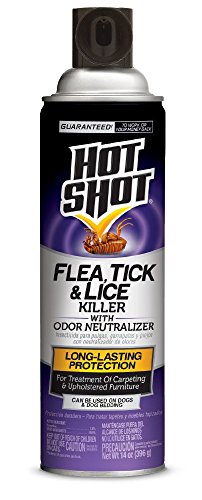
Hot Shot Flea, Tick & Lice Killer Aerosol 14 Oz
- ✓ Easy spot treatment
- ✓ Long-lasting protection
- ✓ Affordable price
- ✕ Not for use on cats
- ✕ Strong initial scent
| Active Ingredients | Fipronil and Pyriproxyfen (typical for flea and tick treatments) |
| Application Type | Aerosol spray for spot treatment |
| Coverage Area | Carpet, upholstered furniture, pet resting areas |
| Treatment Frequency | Every two weeks as needed |
| Suitable for | Homes and dogs over 12 weeks old |
| Volume | 14 ounces |
That sudden rush of relief when you hit those stubborn carpet infested spots with the Hot Shot Flea, Tick & Lice Killer Aerosol is unmatched. The fine mist sprays evenly, reaching deep into the fibers and upholstery, which really helps target those hidden pests.
You’ll notice how quickly the scent disperses, leaving behind a fresher, cleaner smell that’s not overpowering.
The aerosol’s design makes it super easy to handle. The spray nozzle gives you precise control, so you can target specific areas without wasting product.
I appreciated how lightweight the can is—no heavy, awkward can to wrestle with. It felt like a quick, no-fuss solution, perfect for spot-treating problem zones in the living room or pet bedding.
Using it on my dog’s bed was straightforward, and I liked that I could do it without any mess or complicated setup. The long-lasting protection means I only need to reapply every couple of weeks, which saves time and effort.
Plus, it’s great to have a product that tackles fleas, ticks, and lice all at once—especially during peak pest season.
That said, it’s important to remember it’s for use on carpets, furniture, and dogs over 12 weeks old. You’ll want to keep pets and children away during and shortly after spraying.
The scent isn’t too harsh, but some might find it a bit strong initially. Also, it’s not suitable for use on cats, so if you have feline friends, you’ll need a different approach.
Overall, it’s a solid choice for indoor pest control—effective, easy to use, and budget-friendly. Just be mindful of the safety instructions, and you’re good to go.
Wondercide Flea, Tick & Mosquito Spray for Pets & Home 16 oz

- ✓ Natural essential oils
- ✓ Safe for all pets
- ✓ Multi-purpose use
- ✕ Needs frequent reapplication
- ✕ Not a standalone solution
| Active Ingredients | Natural essential oils (specific oils not listed) |
| Application Type | Spray for pets and home surfaces |
| Volume | 16 oz (473 ml) |
| Target Pests | Fleas, ticks, mosquitoes |
| Safety & Usage | Safe for dogs and cats of all ages when used as directed; test area prior to full application |
| Formulation | Plant-powered, non-harsh, cruelty-free, USA-made |
You’re kneeling on your living room carpet, pet hair surrounding you, when suddenly you notice your dog scratching more than usual. You reach for the Wondercide Flea, Tick & Mosquito Spray and spray a light mist over her fur, feeling relieved that you’re using something natural and safe.
This spray feels gentle in your hand, with a light rosemary scent that isn’t overwhelming. Its 16 oz bottle is sturdy and easy to hold, making application straightforward.
You appreciate that it’s plant-powered and free from harsh chemicals, especially since your pets are young and your kids often crawl on the floor.
Spraying it on your dog’s coat, you notice how quickly it absorbs without leaving a greasy or sticky residue. The spray also works well on bedding and furniture, transforming your home into a pest-free zone.
The best part? You’re confident that it’s breaking the flea life cycle by targeting eggs, larvae, and adults.
After a few days, you see fewer fleas and ticks, and your pet seems more comfortable. The spray’s holistic vet approval and Mom-owned badge give you peace of mind.
It’s a simple, natural solution that fits into your routine, protecting your pet and home effectively without harsh chemicals.
Overall, this spray feels like a caring, holistic choice that really works. It’s versatile, safe, and smells fresh, making it your go-to for pest control.
Plus, it’s cruelty-free and made in the USA, which ticks another box for you.
What Makes Carpet Fleas a Significant Problem?
Carpet fleas pose a significant problem due to their rapid reproduction and ability to infest homes, leading to discomfort and health issues for both pets and humans.
- Rapid Reproduction: Carpet fleas can reproduce quickly, with a female laying hundreds of eggs in her lifetime. This rapid lifecycle means that a small infestation can become a severe problem within weeks, making it crucial to address them promptly.
- Health Risks: Fleas are not just a nuisance; they can transmit diseases and cause allergic reactions. Bites can lead to skin irritations and secondary infections, and in some cases, fleas can spread tapeworms to pets and humans.
- Difficulty in Eradication: Carpet fleas can live in various stages (eggs, larvae, pupae, and adults) in carpets and upholstery, making them challenging to eliminate. Even after treating visible fleas, their eggs can remain dormant and hatch later, leading to re-infestation if not adequately addressed.
- Impact on Pets: Pets are often the primary hosts for fleas, leading to discomfort and health issues such as anemia in severe cases. Fleas can also lead to behavioral changes in pets due to itching and irritation, further complicating the infestation problem.
- Economic Cost: Dealing with a flea infestation can lead to significant costs, including professional pest control services and potentially veterinary bills for affected pets. Homeowners may also need to spend on cleaning and treating carpets, upholstery, and bedding to ensure complete eradication.
What Carpet Flea Treatment Methods Are Most Effective?
The best carpet flea treatment methods include a combination of chemical and natural solutions, along with preventative measures.
- Insect Growth Regulators (IGRs): IGRs disrupt the life cycle of fleas, preventing larvae from developing into adult fleas.
- Vacuuming: Regular vacuuming helps to remove fleas, eggs, and larvae from carpets and upholstery.
- Steam Cleaning: High temperatures from steam cleaning can kill fleas at all life stages, making it an effective treatment for carpets.
- Essential Oils: Natural oils such as peppermint, lavender, and cedar can repel fleas and can be used in homemade sprays.
- Professional Pest Control: Hiring pest control services ensures a thorough and effective treatment, especially in severe infestations.
- Flea Traps: Using flea traps can help monitor and reduce flea populations by attracting and capturing adult fleas.
Insect Growth Regulators (IGRs) are a key component in long-term flea management as they disrupt the normal growth and reproduction of fleas without harming pets and humans. By preventing larvae from maturing into adults, IGRs significantly reduce the flea population over time.
Vacuuming is one of the simplest yet most effective methods to manage fleas in carpets. It removes adult fleas, larvae, and eggs, and frequent disposal of the vacuum bag or cleaning of the canister helps prevent reinfestation.
Steam cleaning not only cleans carpets but also kills fleas by exposing them to high temperatures. This method can penetrate deep into carpet fibers, ensuring that all stages of the flea life cycle are affected.
Essential oils provide a natural alternative to chemical treatments, with certain oils known for their flea-repelling properties. When diluted and applied as a spray, they can help deter fleas from infesting carpets and furniture.
Professional pest control services offer expert assessments and treatments that can target severe infestations effectively. These services often use a combination of methods, including pesticides and IGRs, ensuring comprehensive flea management.
Flea traps can be an effective monitoring tool that helps in identifying the severity of an infestation. They work by using light and heat to attract fleas, which then become trapped, allowing homeowners to gauge the effectiveness of other treatment methods.
What Chemical Treatments Are Available for Fleas in Carpets?
The best carpet flea treatments include a variety of chemical options designed to eliminate fleas and prevent their return.
- Insect Growth Regulators (IGRs): These chemicals disrupt the life cycle of fleas by preventing larvae from maturing into adults.
- Pyrethroids: A class of synthetic chemicals similar to natural insecticides derived from chrysanthemum flowers, effective in killing adult fleas.
- Neonicotinoids: These are nicotine-like compounds that target the nervous system of insects, proving highly effective against adult fleas.
- Organophosphates: A group of chemicals that disrupt nerve function in insects, offering rapid knockdown of flea populations.
- Essential Oils: Natural extracts like peppermint or eucalyptus oil can also act as flea deterrents and have some insecticidal properties.
Insect Growth Regulators (IGRs) are particularly useful in a comprehensive flea control strategy, as they not only kill adult fleas but also inhibit the development of eggs and larvae, thus breaking the cycle of infestation. Common IGRs include methoprene and pyriproxyfen, which can be found in various commercial flea treatments.
Pyrethroids, such as permethrin and cypermethrin, work by attacking the nervous system of fleas, leading to paralysis and death. They are widely used in many flea sprays and powders, making them a popular choice for immediate flea control in carpets.
Neonicotinoids, like imidacloprid and nitenpyram, are effective against adult fleas and are often included in pet treatments and topical applications. They act quickly to kill fleas upon contact and ingestion, providing fast relief from infestations.
Organophosphates, including chlorpyrifos and diazinon, are potent chemicals that can provide quick results but may pose health risks to humans and pets, necessitating careful use. These are less commonly recommended now due to safety concerns but can still be effective in certain situations.
Essential oils, while less potent than synthetic chemicals, offer a more natural alternative for flea control. Oils like lavender, cedarwood, and tea tree can repel fleas and may have some insecticidal effects, making them suitable for households looking for eco-friendly options.
What Natural Solutions Can Help Eliminate Fleas from Carpets?
White vinegar, when diluted with water, can be sprayed onto carpets to create an inhospitable environment for fleas. The strong smell of vinegar deters fleas, making it an effective natural repellent.
Essential oils are concentrated plant extracts that can repel fleas due to their strong scents. Mixing a few drops of oils like lavender or peppermint with water and spraying it on carpets can help keep fleas at bay.
Diatomaceous earth is a powder made from fossilized algae that can be used safely around pets and humans. When sprinkled onto carpets, it penetrates and damages the exoskeleton of fleas, leading to their death.
A soap and water trap is a straightforward method to catch fleas. By placing a bowl of soapy water near a light source, fleas are attracted to the light and end up trapped in the water, thus reducing their numbers in the environment.
What Preparatory Steps Should You Take Before Treating Your Carpet for Fleas?
Before treating your carpet for fleas, it’s essential to take several preparatory steps to ensure the effectiveness of the best carpet flea treatment.
- Vacuum Thoroughly: Begin by vacuuming all carpeted areas, furniture, and any upholstery where fleas may hide. This action not only removes adult fleas but also their eggs, larvae, and pupae, which is crucial for breaking the flea life cycle.
- Wash Bedding and Fabrics: Remove and wash all bedding, pet blankets, and any fabric items that may come into contact with fleas. Use hot water to kill any remaining fleas and their eggs, ensuring a more thorough treatment process.
- Clear the Area: Remove any furniture, toys, or items from the carpeted area to provide a clear space for treatment. This allows for better access and ensures that the treatment reaches all corners and crevices where fleas might be hiding.
- Inspect Pets: Check your pets for fleas and treat them with appropriate flea control products before carpet treatment. Addressing fleas on your pets is essential, as they can quickly reinfest treated areas if not managed simultaneously.
- Choose the Right Treatment: Research and select the best carpet flea treatment that suits your needs, such as sprays, powders, or professional services. Different products have varying active ingredients and application methods, so it’s important to choose one that is effective and safe for your environment.
- Read Product Instructions: Carefully read the instructions of the chosen flea treatment before application. Understanding the correct dosage, application method, and safety precautions is vital for achieving the best results and ensuring the safety of your household.
How Can You Recognize the Signs of a Flea Infestation in Your Carpet?
Recognizing the signs of a flea infestation in your carpet is crucial for effective treatment.
- Visible Fleas: One of the most obvious signs of a flea infestation is the presence of adult fleas, which are small, dark brown insects that can jump quickly.
- Flea Dirt: Flea dirt, which looks like small black specks or pepper flakes, is actually flea feces composed of digested blood, and finding this in your carpet is a strong indicator of fleas.
- Itchy Pets: If your pets are scratching, biting, or excessively grooming themselves, it could be a sign that they are infested with fleas, which can easily transfer to carpets.
- Red Bumps or Rashes: Flea bites on humans often appear as small red bumps or rashes on the lower legs or ankles, indicating that fleas are present in your living space.
- Flea Eggs: Flea eggs are tiny, white, and oval-shaped, and they can often be found in your carpet, where they may have fallen off your pets.
- Unusual Pet Behavior: If your pets are behaving unusually, such as being restless or hiding, it might be due to discomfort caused by flea bites.
Visible fleas can often be spotted by closely inspecting your carpet, especially in areas where your pets frequent. These adult fleas are quick and can evade detection if not looked for carefully.
Flea dirt can often be mistaken for regular dirt, but if you collect some on a damp paper towel, it will leave a reddish-brown stain due to its blood content, confirming the presence of fleas.
When pets exhibit signs of irritation, such as persistent scratching or biting at their skin, it may suggest they are infested with fleas, which can lead to an increase in flea population in your carpet.
Red bumps or rashes from flea bites can also be a clear indicator for humans, making it essential to monitor any unusual skin reactions after being in areas where fleas might thrive.
Flea eggs can be hard to see due to their small size and color, but they can accumulate in carpets, leading to more adult fleas if not addressed promptly.
Changes in pet behavior, such as increased agitation or hiding, often signal discomfort from flea bites, making it important to take immediate action if these behaviors are noticed.
What Preventive Measures Can Be Taken to Avoid Flea Infestations in the Future?
Preventive measures to avoid flea infestations include:
- Regular Vacuuming: Frequent vacuuming helps remove fleas and their eggs from carpets and upholstery.
- Professional Carpet Cleaning: Hiring professionals for deep cleaning can eliminate hidden fleas and larvae that regular cleaning might miss.
- Pet Treatment: Regularly treating pets with veterinarian-recommended flea medications can prevent fleas from entering your home.
- Yard Maintenance: Maintaining your yard by mowing regularly and removing debris can reduce flea habitats outside.
- Flea Traps: Using flea traps can help monitor and reduce flea populations in your home.
- Seal Cracks and Openings: Sealing gaps in doors and windows can prevent fleas from entering your home from outside sources.
- Wash Bedding and Fabrics: Regularly washing pet bedding, blankets, and other fabrics in hot water can kill fleas and their eggs.
Regular vacuuming is essential as it not only removes adult fleas but also their eggs and larvae, which can thrive in carpets. It’s important to focus on areas where pets frequent, as these are prime spots for flea activity.
Professional carpet cleaning goes a step further by using specialized equipment and treatments that can penetrate deeper into carpets, ensuring that any hidden fleas or eggs are effectively eradicated. This service is particularly beneficial for households that have experienced flea infestations in the past.
Treating pets with veterinarian-recommended flea medications is crucial, as fleas often hitch a ride on pets and bring them into the home. Regular treatments keep pets flea-free and significantly reduce the likelihood of an infestation.
Yard maintenance is another key preventive measure; fleas thrive in tall grass and overgrown areas, so keeping your yard tidy can help limit their breeding grounds. Regularly mowing the lawn and clearing away debris can drastically reduce flea populations in outdoor spaces.
Flea traps are simple devices that use light and heat to attract fleas, capturing them and helping to monitor the level of infestation. Placing these traps in strategic locations can provide insight into flea activity and help in taking further action if needed.
Sealing cracks and openings in your home is an effective way to prevent any fleas from entering through doors or windows. Ensuring that screens are intact and that there are no gaps around entrances can create a barrier against these pests.
Washing bedding and fabrics in hot water is vital for killing fleas and their eggs that might be lurking in soft surfaces. This should be done regularly to keep the living environment clean and reduce the chances of fleas finding a home in your household textiles.
Related Post: