
When consulting with crafting enthusiasts about their ideal carpet, one requirement keeps coming up: it must be comfortable, durable, and easy to maintain. Having tested surfaces in various craft rooms myself, I know the struggle of finding a rug that can handle spills, stains, and long hours on your feet. The best carpets need to balance softness with practicality.
After comparing several options, I found the GENIMO No Crease Non Slip 8×10 Area Rug, Green Gray stands out. Its crease-resistant feature ensures it stays flat without curling, while dense polyester fibers provide plush support. Plus, the non-slip backing makes it safe for busy craft areas, and its sleek modern design adds a calming touch. Compared to smaller, decorative rugs, its large size offers more coverage and activity tolerance. If you want a rug that’s built for real craft room use, this one truly delivers.
Top Recommendation: GENIMO No Crease Non Slip 8×10 Area Rug, Green Gray
Why We Recommend It: This rug’s crease-resistant surface, dense polyester weave, and included non-slip underlay make it ideal for a craft room. It handles heavy foot traffic, prevents slipping, and stays flat—unlike many smaller or less stable options. Its large size offers ample workspace, and its durable material resists shedding, making it perfect for busy spaces.
Best carpet for a craft room: Our Top 3 Picks
- Soyalie Pattern Area Rug 3’x5′ Non-Slip Colorful Buttons – Best for Kids’ Playroom
- Soyalie 4×6 ft Sewing Room Rug with Colorful Tools Pattern – Best for Craft Rooms
- GENIMO No Crease Non Slip 8×10 Area Rug, Green Gray – Best for High Traffic Areas
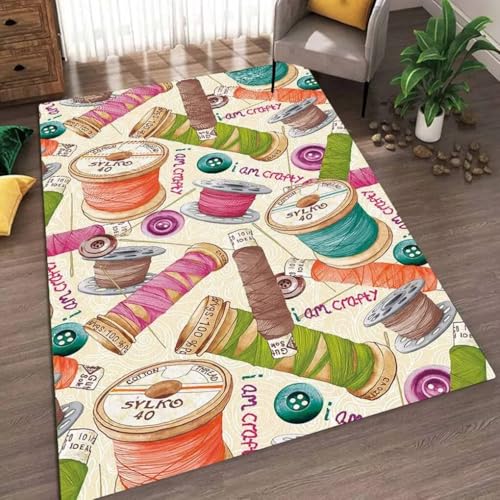
Soyalie Pattern Area Rug 3’x5′ Non-Slip Colorful Buttons
- ✓ Bright, colorful design
- ✓ Non-slip backing
- ✓ Easy to clean
- ✕ May have slight creases
- ✕ Limited size options
| Material | 100% Polyester with non-slip plastic backing |
| Size | 3 feet by 5 feet (91 cm x 152 cm) |
| Pile Height | Low pile for comfort and easy maintenance |
| Surface Design | Colorful scissors and sewing tools motif |
| Care Instructions | Spot clean or vacuum; stain-resistant and dirt-resistant |
| Floor Compatibility | Non-slip backing suitable for various indoor surfaces |
You know that feeling when your craft room’s floor looks a little dull, and you wish there was something fun that could also protect the space? I found that with the Soyalie Pattern Area Rug.
Its vibrant scissors and sewing tool print instantly adds a pop of color and personality to any craft corner.
The moment I laid it down, I noticed how soft yet low-profile it was. It doesn’t feel bulky, so I can comfortably stand or kneel while sewing or doing projects.
Plus, the material is 100% polyester, which is stain-resistant — a total lifesaver when glue, paint, or fabric scraps inevitably make their way onto the floor.
What really impressed me is the non-slip backing. I’ve had rugs that slide around when I move, but this one stays put, even when I’m rushing around or stepping on it with wet shoes.
It’s also easy to clean—just spot clean or vacuum, no fuss. The fold lines from shipping faded after a few days, so no worries about creases sticking around.
Thanks to its bright colors and modern design, it’s not just a functional piece but also a decorative one. It brightens up the room, making it feel more inviting for kids, pets, or guests.
I can imagine it working well in a variety of spaces, from a kids’ room to a cozy craft nook.
Overall, this rug combines style, comfort, and practicality. It’s a little piece of art that serves its purpose without creating clutter or hassle.
Perfect for anyone wanting to add a cheerful touch to their craft or sewing space.
Soyalie 4×6 ft Sewing Room Rug with Colorful Tools Pattern

- ✓ Bright, colorful design
- ✓ Non-slip and durable
- ✓ Easy to clean
- ✕ Might show stains
- ✕ Limited color options
| Material | Polyester fiber with non-slip TPR plastic backing |
| Size Range | 2×3 ft to 6×9 ft |
| Pile Height | Low pile height (exact measurement not specified) |
| Design Theme | Colorful sewing machine and accessories motif |
| Care Instructions | Machine washable; air dry recommended |
| Non-slip Backing | Yes, TPR plastic |
You’re elbow-deep in fabric scraps, pins, and thread spools when you roll out this Soyalie 4×6 ft sewing room rug. The vibrant, colorful tools pattern instantly catches your eye, turning your cluttered corner into a cheerful, inspiring workspace.
The low pile height makes it perfect for a craft room where you’re often kneeling or sitting on the floor. It feels soft enough underfoot but not bulky, so you can move freely without feeling like you’re stepping over a thick carpet.
The design really shines in a sewing or craft room. The bright sewing machine, scissors, and thread motifs add personality and make your space feel more organized.
Plus, the colors are vivid and don’t fade easily, even after multiple washes.
Made of polyester fiber with a non-slip TPR backing, it stays in place no matter how much you move around. You won’t worry about slipping or damaging your floors, which is a huge plus when you’re busy crafting.
It’s durable enough to handle spills and daily wear and tear.
Cleaning is a breeze—just toss it in the washing machine and air dry. The vacuuming or light dusting keeps it looking fresh.
And because it’s lightweight, you can easily roll it up or move it to different parts of your home.
Overall, it’s a charming, practical addition that brings color and comfort to your craft space, making it more inviting and functional.
GENIMO No Crease Non Slip 8×10 Area Rug, Green Gray
- ✓ No creases or curling
- ✓ Soft, plush feel
- ✓ Kid & pet friendly
- ✕ Needs non-slip underlay
- ✕ Slightly thin for some uses
| Material | Dense polyester fibers with OEKO-TEX certification |
| Size | 8×10 feet (2.44 x 3.05 meters) |
| Pile Height | Low-pile design, approximately 0.25 inches (6 mm) |
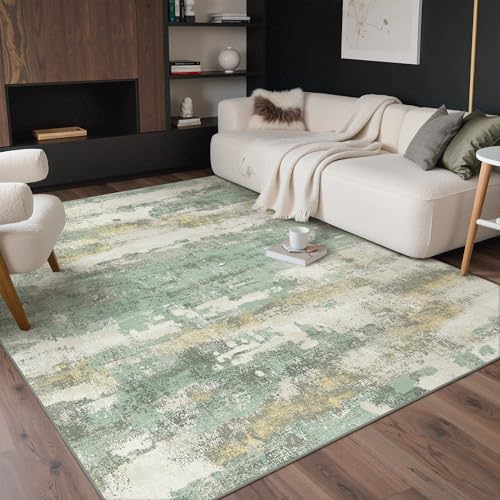
| Design | Modern abstract with light cream and green colors |
| Slip Resistance | Includes non-slip underlay for enhanced stability |
| Care Instructions | Wipe stains, vacuum-compatible, resistant to shedding |
The first time I unrolled the GENIMO No Crease Non Slip 8×10 Area Rug, I was immediately struck by how effortlessly it lay flat. No curling edges or stubborn creases—just a smooth, inviting surface that instantly made my craft room feel more polished.
The soft, plush polyester fibers feel gentle underfoot, perfect for long hours of crafting or lounging. I especially appreciated how lightweight it was to move around but still stayed firmly in place thanks to the non-slip backing, which I tested by walking briskly across it.
The modern abstract design, with its light cream and subtle green tones, adds a calming vibe that complements my work space perfectly. I also noticed how the dense fibers resist shedding and stains, making cleanup quick and easy—an essential feature during messy craft projects.
What really stood out is the rug’s durability—no odors, even when I used it with my underfloor heating, and it’s made from OEKO-TEX certified materials, so I feel safe around my kids and pets. The included non-slip underlay was a nice touch, providing extra stability without any fuss.
Overall, this rug elevates my craft room with style and comfort. It’s a practical, attractive addition that stays put and is easy to maintain, making it a win for busy spaces that need both function and flair.
What Factors Should You Consider When Choosing the Best Carpet for a Craft Room?
When choosing the best carpet for a craft room, several factors should be considered to ensure functionality, aesthetics, and comfort.
- Durability: Craft rooms often have high foot traffic and may involve the use of tools and materials that can cause wear and tear. Selecting a durable carpet made from materials like nylon or polyester can withstand the demands of crafting activities.
- Stain Resistance: Given the potential for spills or accidents with paints, glues, and other craft supplies, choosing a carpet that is stain-resistant is crucial. Look for carpets treated with stain repellents or those made from inherently stain-resistant fibers to keep your space looking clean.
- Comfort: Since crafting can involve long hours of work, comfort underfoot is important. Carpets with a thick pile provide cushioning, making it more pleasant to stand or sit on the floor while working on projects.
- Color and Pattern: The aesthetic of the craft room can be enhanced by selecting the right color and pattern for the carpet. Lighter colors may show dirt more easily, while darker shades can hide stains; consider how these choices will complement the overall design of the room.
- Maintenance: Some carpets require more upkeep than others. If you want a low-maintenance option, consider carpets that are easy to clean or can be vacuumed regularly without hassle, as this will save time and effort in the long run.
- Eco-Friendliness: If sustainability is important to you, look for carpets made from recycled materials or those that have low VOC (volatile organic compounds) emissions. Eco-friendly carpets can contribute to a healthier indoor environment while still providing the necessary functionality.
- Cost: The budget for your carpet is a significant factor. Carpets vary widely in price, so it’s essential to find a balance between quality and affordability that meets your needs without overspending.
How Does Durability Affect Carpet Choice for Crafting Spaces?
When selecting carpet for a craft room, durability is crucial due to the potential for spills, wear, and tear associated with crafting activities.
- Material Type: The choice of carpet material significantly impacts its durability. Synthetic fibers like nylon and polyester are generally more resistant to stains and wear compared to natural fibers such as wool, making them ideal for high-traffic and messy crafting environments.
- Carpet Pile: The pile height and density of the carpet affect its durability. Low-pile carpets are typically more robust against foot traffic and easier to clean, while high-pile carpets can trap debris and are more susceptible to matting under heavy usage.
- Stain Resistance: Carpets that come with built-in stain-resistant treatments are beneficial for craft rooms where spills are common. These treatments help prevent stains from setting in, making maintenance easier and prolonging the life of the carpet.
- Backing Material: The backing of the carpet contributes to its overall stability and durability. A strong backing material, such as action backing or rubber, provides better support, preventing the carpet from buckling or curling over time, which is essential in a crafting space.
- Maintenance Requirements: The ease of maintenance can influence the choice of carpet. Carpets that can be easily vacuumed or spot-cleaned are preferable for crafting spaces, as they accommodate the inevitable messes without compromising longevity.
What Types of Carpet Fibers are Best for Handling Crafting Messes?
The best carpet fibers for a craft room should be durable, stain-resistant, and easy to clean.
- Nylon: This fiber is known for its exceptional durability and resilience, making it ideal for high-traffic areas like craft rooms. Its ability to resist stains and fading ensures that even after numerous crafting sessions, the carpet will maintain its appearance.
- Polyester: Polyester carpets are not only soft and comfortable but also have good stain resistance, making them suitable for dealing with spills and messes from crafting materials. Additionally, they are often more affordable than nylon and can come in a variety of colors and patterns to match your creative space.
- Olefin (Polypropylene): Olefin is highly resistant to moisture and stains, making it a great choice for craft rooms where spills might be common. It is also mold and mildew resistant, which is beneficial for areas that may have exposure to water or humidity from crafting activities.
- Triexta: This fiber combines the best qualities of nylon and polyester, offering softness, durability, and excellent stain resistance. Triexta is also eco-friendly, as it can be made from renewable resources, allowing you to create a sustainable crafting environment.
- Wool: While wool is a more luxurious option, it offers natural stain resistance and durability. However, it requires more maintenance and care compared to synthetic fibers, making it less ideal for those who prefer low-maintenance solutions in a craft room setting.
Which Carpet Styles Provide Comfort and Functionality for Crafting?
The best carpet styles for a craft room should prioritize comfort, durability, and ease of maintenance.
- Low-Pile Carpet: This style is great for a craft room as it provides a firm surface that is easy to clean and maintain. Low-pile carpets do not trap dust and debris, making them a practical choice for crafting activities that may involve cutting materials or working with messy supplies.
- Berber Carpet: Known for its looped texture, Berber carpet is extremely durable and resistant to wear, making it ideal for high-traffic areas like a craft room. Its resilience helps it withstand the rigors of crafting while providing a comfortable surface to stand or sit on for long periods.
- Patterned Carpet: Adding a patterned carpet can inject personality into your craft space while also helping to hide stains and wear over time. The designs can mask minor spills or dirt, which is beneficial in a room where crafts often lead to messes.
- Carpet Tiles: Carpet tiles are versatile and allow for easy installation and replacement, making them highly functional for a craft room. If a section gets damaged or stained, you can simply replace the individual tile without needing to redo the entire floor, offering both practicality and comfort.
- Shag Carpet: For those who prioritize comfort, shag carpets provide a soft and plush feel underfoot, making it a cozy option for a craft room. However, they may require more maintenance to keep clean, as their long fibers can trap more dust and debris.
What Role Do Carpet Colors and Patterns Play in Enhancing a Craft Room?
Carpet colors and patterns play a significant role in establishing the atmosphere of a craft room, influencing creativity, focus, and overall comfort. Here are some ways in which they contribute:
-
Mood Setting: Colors evoke emotions and can set the tone for the workspace. Warm colors, such as reds and oranges, promote energy and creativity, making them ideal for spaces where brainstorming occurs. Cooler hues, like blues and greens, can create a calming effect, which is beneficial during meticulous tasks.
-
Patterns for Interest: Incorporating patterns can add personality to a craft room. Geometric patterns may stimulate creativity and modernity, while floral designs can invoke a sense of tranquility and inspiration.
-
Practical Considerations: Lighter colors can make a room feel larger and more airy, while darker hues may absorb more light, creating a cozier environment. Additionally, intricate patterns can camouflage stains and wear, which is important in a room where spills and messes are common.
-
Zoning: Using different colors or patterns can help delineate areas within the space. For instance, a vibrant area can be designated for fabric projects, while a more neutral section can be reserved for drawing or journaling, enhancing organization and workflow.
How Can You Maintain and Care for Carpets in a Craft Room?
To maintain and care for carpets in a craft room, consider the following practices:
- Regular Vacuuming: Frequent vacuuming is essential to remove dust, fibers, and debris that accumulate from crafting activities.
- Spot Cleaning: Immediate attention to spills and stains helps prevent permanent damage and keeps the carpet looking fresh.
- Use of Carpet Protectors: Applying carpet protectors can safeguard against stains and wear, especially in high-traffic areas.
- Deep Cleaning: Periodic deep cleaning, either through professional services or DIY methods, helps to refresh the carpet and remove embedded dirt.
- Choosing the Right Carpet: Selecting a durable and stain-resistant carpet material suitable for a craft room can significantly ease maintenance efforts.
Regular Vacuuming: Regular vacuuming is essential to remove dust, fibers, and debris that accumulate from crafting activities. This helps maintain the carpet’s appearance and prevents dirt from becoming embedded in the fibers, which can lead to wear and tear over time.
Spot Cleaning: Immediate attention to spills and stains helps prevent permanent damage and keeps the carpet looking fresh. Utilizing appropriate cleaning solutions for specific types of stains can effectively remove unwanted marks without damaging the carpet’s fibers.
Use of Carpet Protectors: Applying carpet protectors can safeguard against stains and wear, especially in high-traffic areas. These products create a barrier that repels liquids and dirt, making it easier to clean and maintain the carpet’s condition.
Deep Cleaning: Periodic deep cleaning, either through professional services or DIY methods, helps to refresh the carpet and remove embedded dirt. This process is crucial for maintaining hygiene and ensuring the longevity of the carpet, especially in a space where crafting materials may shed or spill.
Choosing the Right Carpet: Selecting a durable and stain-resistant carpet material suitable for a craft room can significantly ease maintenance efforts. Options like nylon or polyester are often recommended due to their resilience and ease of cleaning, ensuring that your craft space remains both functional and visually appealing.
What Are the Costs Involved in Selecting Carpet for a Craft Room?
When selecting carpet for a craft room, several costs should be considered to ensure the best fit for your creative space.
- Material Cost: The type of carpet material significantly affects the overall cost, with options ranging from budget-friendly polyester to high-end wool. Each material has its own durability, texture, and stain resistance, influencing how often it may need to be replaced or cleaned.
- Padding: Quality carpet padding is crucial for comfort and longevity, and it adds to the overall cost. A thicker, higher-density padding can provide better support and insulation, which is particularly beneficial in a craft room where you may spend long hours standing or working on projects.
- Installation Fees: Professional carpet installation can be an additional expense that varies depending on the complexity of the job and the region. Hiring a professional ensures that the carpet is laid correctly, which can prevent future issues such as buckling or uneven seams.
- Maintenance Costs: Some carpets require more maintenance than others, which can lead to ongoing costs. Regular cleaning, spot treatments, and potential repairs should be factored in, especially in a craft room where spills and messes are more likely to occur.
- Design and Color Choices: Selecting specific colors or patterns may come with added costs, especially if custom options are chosen. The aesthetic appeal of the carpet can enhance the creative environment, but it is essential to balance style with budget.
- Underlayment Expenses: Depending on the flooring beneath the carpet, you may need an underlayment to improve insulation and sound absorption. This is particularly relevant in multi-use spaces where noise reduction is desired or if the floor is uneven.