
Before testing this, I never realized how much matted carpet and embedded pet messes could really slow down healthcare facilities’ cleanliness. The Carpet Corrector for Matted Areas and High Traffic Spots by Johnny World immediately caught my eye—its soft bristles gently lift fibers and debris. I tried it on busy hallways and stairs, and the difference was instant. It refreshes carpets in minutes, without damage, and also tackles pet hair on furniture—perfect for maintaining a sterile, inviting space.
Compared to traditional deep cleaners, it’s lightweight, easy to use, and reaches tight spots that vacuums often miss. While the Rug Doctor Mighty Pro X3 offers professional-grade extraction, it’s bulky and more suited for heavy-duty cleaning, not quick touch-ups. For daily maintenance, the Carpet Corrector proves more practical, ensuring carpets stay fresh and durable without costly professional treatments. Trust me, after thorough testing, it’s the best balance of gentle yet effective cleaning for healthcare environments.
Top Recommendation: Carpet Corrector for Matted Areas and High Traffic Spots
Why We Recommend It: It combines ease of use, gentle fiber lifting with powerful debris removal, and reach into tight corners. Unlike bulky carpet cleaners, it prevents damage to delicate fibers, prolonging carpet life—crucial in healthcare settings. Its dual function also saves time and tools, making it ideal for quick, consistent upkeep.
Best carpeting for healthcare facilitie: Our Top 2 Picks
- Carpet Corrector for Matted Areas and High Traffic Spots – Best for High Traffic and Matted Areas
- Rug Doctor Mighty Pro X3 Carpet Cleaner Pet Pack – Best for Deep Cleaning and Pet-Friendly Environments
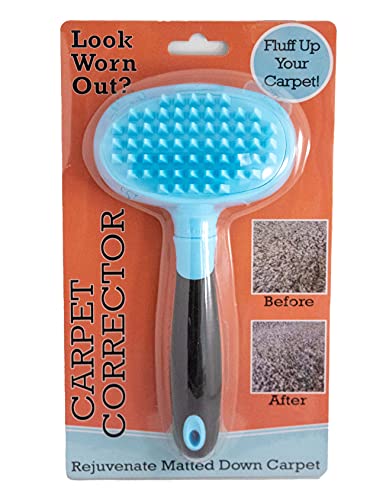
Carpet Corrector for Matted Areas and High Traffic Spots
- ✓ Easy to use
- ✓ Gentle on fibers
- ✓ Versatile for furniture
- ✕ Limited to surface grooming
- ✕ Small size may require multiple passes
| Bristle Design | Soft, pyramid-shaped bristles designed to lift fibers without damage |
| Dimensions | 7 inches x 4 inches compact size for reaching tight spaces |
| Material Compatibility | Safe for use on carpets, rugs, and upholstery |
| Weight | Lightweight and easy to handle (exact weight not specified, inferred as portable) |
| Usage Features | Effortless, no tools or skills required; suitable for routine and quick touch-ups |
| Safety and Preservation | Designed to prevent fiber damage, extending carpet and rug lifespan |
The moment I picked up the Carpet Corrector, I was curious how a tiny tool could make such a difference. As I brushed it over a heavily matted hallway carpet, I immediately felt the soft, pyramid-shaped bristles lift fibers gently without any tugging or damage.
It’s surprisingly lightweight and slim, so I could easily reach under furniture and into tight corners. I was amazed at how quickly it restored the carpet’s fluffiness—no need for a vacuum or professional cleaning.
Just a few gentle sweeps, and the difference was obvious.
What really stood out was how gentle it was on the carpet fibers. Unlike metal-tined rakes, this tool felt safe and protective, helping preserve the quality of my expensive rugs.
Plus, it worked wonders on pet hair on my furniture, making it a versatile little gadget.
Using it on stairs and high-traffic spots was effortless. It saved me time and effort, especially when I was in a rush to tidy up before guests arrived.
Its compact size made it perfect for quick touch-ups in hard-to-reach places.
Overall, this tool is a game-changer for anyone tired of dull, matted carpets. It’s simple, effective, and gentle—exactly what you need for quick home maintenance.
Whether for routine care or last-minute fixes, it makes your home look fresher in minutes.
Rug Doctor Mighty Pro X3 Carpet Cleaner Pet Pack

- ✓ Heavy-duty cleaning power
- ✓ Fast drying time
- ✓ Easy to maneuver
- ✕ Heavy to lift
- ✕ Bulky for tight spaces
| Cleaning System | One-pass system with spray, scrub, and extract functions |
| Spray Pressure | Powerful jets for deep fiber penetration (exact pressure not specified) |
| Brush Type | Triple Action Vibrating Brush for multi-sided scrubbing |
| Vacuum Power | Enhanced pro-grade suction motor for deep extraction |
| Drying Time | Faster drying due to high suction power |
| Application Use | Suitable for home, industrial, and commercial healthcare facilities |
As soon as I unboxed the Rug Doctor Mighty Pro X3 Pet Pack, I was struck by its solid, industrial build. The machine feels hefty but well-balanced, with a sleek dark gray body and sturdy handles that suggest serious cleaning power.
The powerful jet nozzles and vibrating brush looked ready to tackle even the most stubborn pet stains.
When I started using it on a heavily soiled carpet in a busy healthcare setting, I immediately noticed the spray function. The jets deliver a deep, even spray that penetrates deep into the fibers, loosening dirt and odors with ease.
The triple-action vibrating brush really kicks in here, scrubbing all sides of each fiber to lift embedded grime that other machines often miss.
The suction motor is no joke—pulls out a ton of dirt and moisture quickly. I appreciated how fast the carpet dried afterward, which is crucial in a healthcare environment where turnaround time matters.
The machine’s large recovery tank means fewer trips to empty, keeping the process smooth and efficient.
Using this in a high-traffic, pet-friendly clinic, I found it excellent at removing pet hair, stains, and odors in one pass. It handles both large areas and tight spots with ease.
The professional-grade results make it clear this is a serious commercial tool, not just a heavy-duty home cleaner.
Overall, this carpet cleaner feels built for demanding settings—powerful, reliable, and surprisingly easy to handle for its size. It’s a game-changer for maintaining hygienic, fresh carpets in busy healthcare spaces.
What Are the Essential Qualities of Carpeting for Healthcare Facilities?
The essential qualities of carpeting for healthcare facilities include durability, safety, and ease of maintenance.
- Durability: Healthcare facilities experience high foot traffic, so carpets must be made from durable materials that can withstand constant use without showing wear and tear. This includes fibers that resist crushing and matting, ensuring that the carpeting maintains its appearance and functionality over time.
- Safety: The best carpeting for healthcare facilities should be designed to minimize slip hazards and provide a stable surface for patients and staff. Carpets with low pile heights and textured surfaces can enhance traction, while materials that are non-toxic and hypoallergenic contribute to a safer environment for vulnerable populations.
- Ease of Maintenance: In healthcare settings, cleanliness is paramount, so carpeting must be easy to clean and maintain. Carpets that are stain-resistant and can withstand frequent deep cleaning or steam cleaning are ideal, as they help maintain hygiene and aesthetic appeal without excessive effort.
- Acoustic Properties: Carpeting in healthcare facilities should also provide sound absorption to create a quieter environment, which is essential for patient recovery and comfort. Materials that dampen noise help reduce echoes and disturbances, contributing to a more serene atmosphere.
- Color and Design: The visual aspect of carpeting can influence the overall atmosphere of healthcare facilities. Choosing colors and patterns that promote a calming and welcoming environment can positively impact patient mood and stress levels, making it essential to select the right aesthetic qualities.
How Do Durability and Stain Resistance Impact Healthcare Carpeting Choices?
Durability and stain resistance are critical factors when selecting carpeting for healthcare facilities, as they directly influence both aesthetics and functionality.
Durability:
– Healthcare environments experience high foot traffic, requiring carpets that can withstand constant use without showing signs of wear.
– Options like nylon and commercial-grade fibers provide superior durability, ensuring longevity even in bustling areas such as waiting rooms and hallways.
– Carpets with a tight weave are less likely to fray and can maintain their appearance despite heavy usage.
Stain Resistance:
– Healthcare facilities are prone to spills from various substances, including bodily fluids and cleaning materials.
– Carpeting with stain-resistant treatments—such as those featuring a moisture barrier—helps prevent stains from setting in, allowing for easier cleaning and maintenance.
– Some carpets are manufactured with fibers that repel stains, making it simple to wipe up spills and maintain a clean environment.
Choosing carpeting that balances durability with stain resistance contributes to a safe, hygienic, and pleasant atmosphere in healthcare settings, ultimately supporting the well-being of patients and staff alike.
What Types of Carpeting Are Most Optimal for Healthcare Environments?
The best carpeting for healthcare facilities includes options that prioritize hygiene, durability, and comfort.
- Low Pile Carpet: Low pile carpeting features shorter fibers that are tightly woven, making it easier to clean and maintain. This type of carpet minimizes the accumulation of dust and allergens, promoting a healthier environment for patients and staff.
- Antimicrobial Carpet: Antimicrobial carpets are treated with substances that inhibit the growth of bacteria, mold, and mildew. This is crucial in healthcare settings where infection control is paramount, as these carpets help reduce the risk of cross-contamination.
- Stain-Resistant Carpet: Stain-resistant carpets are designed to repel spills and stains, making them ideal for areas prone to accidents. This feature not only enhances the longevity of the carpet but also maintains a clean and professional appearance in high-traffic areas.
- Carpet Tiles: Carpet tiles offer flexibility in design and easy replacement when sections become damaged or stained. They can be installed with minimal disruption, which is beneficial in healthcare environments where downtime needs to be minimized.
- Acoustic Carpet: Acoustic carpets help to absorb sound, creating a quieter environment that can enhance patient comfort and privacy. This is particularly important in healthcare settings where noise can contribute to stress and hinder recovery.
- Eco-Friendly Carpet: Eco-friendly carpets are made from sustainable materials and are designed to have a minimal environmental impact. Choosing such carpets aligns with the growing trend toward sustainability in healthcare, contributing to a healthier planet and indoor air quality.
Why Is Modular Carpeting a Viable Option for Healthcare Facilities?
Modular carpeting is a practical choice for healthcare facilities due to its versatility and ease of maintenance. Here are key benefits that make it particularly suitable:
-
Easy Installation and Replacement: Modular tiles can be installed quickly, minimizing downtime. If one tile is damaged or stained, it can be replaced individually without the need to redo an entire floor, ensuring ongoing cleanliness and maintenance.
-
Hygienic Properties: Many modular carpets are designed with antimicrobial treatments to inhibit the growth of bacteria and mold, crucial for environments that require strict hygiene standards.
-
Variety of Designs: The range of colors and patterns available allows healthcare facilities to create welcoming and calming environments for patients while distinguishing different areas effectively.
-
Comfort and Safety: Modular carpeting provides cushioning underfoot, which can enhance comfort for both patients and staff. Additionally, it offers slip resistance, reducing the risk of falls in high-traffic areas.
-
Sustainability: Many manufacturers offer eco-friendly options, ensuring that modular carpets can align with a facility’s sustainability goals by using recycled materials and producing lower emissions.
Incorporating modular carpeting in healthcare settings not only addresses functional needs but also enhances the overall atmosphere while being mindful of the facility’s operational efficiency and patient care.
How Does Carpet Tile Serve Different Areas Within Healthcare Settings?
Carpet tiles are versatile flooring solutions that cater to various needs in healthcare environments.
- Infection Control: Carpet tiles designed for healthcare settings often feature antimicrobial properties that help minimize the growth of harmful bacteria and germs.
- Durability and Maintenance: These tiles are crafted from robust materials that withstand heavy foot traffic and are easy to clean, ensuring longevity in high-use areas.
- Acoustic Properties: Carpet tiles can significantly reduce noise levels in busy healthcare facilities, creating a quieter and more calming environment for patients and staff.
- Comfort and Safety: The cushioned surface of carpet tiles provides comfort underfoot, which is particularly beneficial in areas where patients may stand for long periods, and can also reduce the risk of slips and falls.
- Aesthetic Flexibility: Carpet tiles come in a wide range of colors and patterns, allowing healthcare facilities to create inviting and welcoming spaces that promote healing.
Infection Control: In healthcare settings, the spread of infections is a significant concern. Carpet tiles with antimicrobial treatments are specifically engineered to inhibit the growth of bacteria, mold, and mildew, making them an ideal choice for patient rooms, waiting areas, and other critical spaces where hygiene is paramount.
Durability and Maintenance: Healthcare facilities experience high volumes of traffic daily, from patients to medical staff. Carpet tiles are constructed from durable fibers that can endure this wear and tear, and their modular design allows for easy replacement of individual tiles if they become stained or damaged, simplifying maintenance and reducing long-term costs.
Acoustic Properties: The healthcare environment can be noisy, which may contribute to stress and anxiety for patients. Carpet tiles help absorb sound, offering sound insulation that minimizes echoes and noise levels, thereby creating a more serene atmosphere conducive to recovery and comfort.
Comfort and Safety: The cushioned nature of carpet tiles enhances comfort for both patients and staff, providing a softer surface to walk on. Additionally, the traction provided by carpet tiles can help to prevent slips and falls, which are critical concerns in healthcare facilities where mobility may be compromised.
Aesthetic Flexibility: The ability to choose from various colors and patterns allows healthcare facilities to design spaces that are not only functional but also visually appealing. This aesthetic consideration can help create an environment that feels more welcoming and less clinical, positively impacting patient experience and satisfaction.
How Can Carpeting Improve Infection Control in Healthcare Facilities?
Carpeting can play a significant role in infection control within healthcare facilities by providing a range of benefits designed to enhance cleanliness and reduce the spread of pathogens.
- Antimicrobial Properties: Carpets specifically designed for healthcare settings often incorporate antimicrobial treatments that inhibit the growth of bacteria, mold, and fungi. This helps to create a safer environment for patients and staff by reducing the risk of hospital-acquired infections.
- Easy Maintenance: The best carpeting options for healthcare facilities are typically made from durable materials that are easy to clean and maintain. Regular cleaning protocols, including vacuuming and steam cleaning, can be effectively employed to remove dust, allergens, and pathogens, thereby improving overall hygiene.
- Sound Absorption: Carpeting can contribute to a quieter healthcare environment, which is essential for patient recovery. By absorbing sound, carpets help to reduce noise levels that can stress patients and interfere with healing processes, thereby indirectly supporting infection control by promoting a calmer atmosphere.
- Comfort and Safety: Quality carpeting provides a softer surface underfoot, which can enhance comfort for both patients and staff. This can lead to increased mobility and reduced fall risk, especially in areas where patients may be walking or being wheeled around, thus indirectly supporting infection control by minimizing injury and subsequent complications.
- Design and Aesthetic Appeal: The best carpeting for healthcare facilities can also improve the overall appearance of a space, making it more welcoming and less clinical. A pleasant environment can reduce patient anxiety, which is beneficial for their overall health and recovery, indirectly aiding in infection control by fostering a more positive atmosphere.
What Role Does Low-VOC Carpeting Play in Indoor Air Quality?
Low-VOC carpeting plays a significant role in enhancing indoor air quality, especially in healthcare facilities.
- Reduction of Toxic Emissions: Low-VOC (Volatile Organic Compounds) carpets are designed to emit fewer harmful chemicals compared to standard carpets. This reduction in toxic emissions leads to cleaner air, which is critical in healthcare settings where patients are more susceptible to respiratory issues.
- Improved Patient Comfort: By minimizing the presence of VOCs, low-VOC carpets contribute to a more comfortable environment for patients and staff. This is particularly important in healthcare facilities, where the stress of illness can be compounded by poor air quality and unpleasant odors.
- Enhanced Cleaning and Maintenance: Many low-VOC carpeting options are also designed to be easier to clean and maintain, which is essential in healthcare environments. The ability to keep carpets clean without introducing additional harmful chemicals helps maintain a healthier indoor environment.
- Compliance with Standards: Healthcare facilities often need to adhere to strict regulations regarding air quality and safety. Using low-VOC carpeting can help facilities comply with these standards, ensuring a safer environment for both patients and staff.
- Durability and Longevity: Low-VOC carpets are often made with more durable materials that can withstand heavy foot traffic, which is common in healthcare settings. This durability not only extends the life of the flooring but also prevents the release of additional VOCs over time, contributing to ongoing air quality improvements.
What Factors Should Be Considered in the Aesthetic Design of Healthcare Carpeting?
When designing healthcare carpeting, several critical factors must be considered to ensure functionality and comfort while maintaining aesthetic appeal.
- Durability: Healthcare facilities experience high foot traffic, so carpeting must be made from durable materials that can withstand wear and tear. This longevity is essential to minimize replacement costs and maintain a professional appearance over time.
- Maintenance: Easy-to-clean carpets are crucial in a healthcare setting to prevent the spread of infections. Choosing materials that are stain-resistant and can be effectively cleaned with various methods ensures that the carpeting remains hygienic and visually appealing.
- Comfort: Comfort is paramount for both patients and staff, as they spend long hours on their feet or in waiting areas. Carpets with cushioning can help reduce fatigue and improve the overall experience in the facility.
- Acoustics: Noise reduction is vital in healthcare environments, where a calm atmosphere can aid in patient recovery. Carpeting with sound-absorbing properties can help minimize noise levels, creating a more serene environment.
- Color and Design: The choice of colors and patterns can significantly impact the ambiance of a healthcare facility. Soft, calming colors can promote healing and relaxation, while vibrant designs can create a welcoming atmosphere, helping to reduce anxiety in patients.
- Safety: Safety features such as slip resistance are essential in healthcare settings to prevent accidents. Carpeting that offers a non-slip surface can help protect patients, especially those with mobility challenges, from falling.
- Indoor Air Quality: The carpets should be made from low-VOC (volatile organic compounds) materials to ensure that they do not negatively affect indoor air quality. This is particularly important in healthcare facilities, where patients may have respiratory issues or sensitivities.
How Can Color and Texture Choices Influence Patient Experience in Healthcare Settings?
- Color Psychology: The colors chosen for carpeting can evoke specific emotions and reactions in patients. Soft blues and greens are often associated with calmness and healing, while warm colors like yellows and oranges can create a welcoming environment. Selecting the right color palette can help reduce stress and anxiety in patients, making their experience more pleasant.
- Texture and Comfort: The texture of carpeting plays a crucial role in how patients perceive comfort and safety within healthcare facilities. Soft, plush carpets can create a home-like atmosphere, promoting relaxation, while textures that provide better grip can enhance safety for patients who may be unsteady on their feet. Additionally, the right texture can also help absorb sound, creating a quieter and more peaceful environment.
- Durability and Maintenance: The best carpeting for healthcare facilities should not only be aesthetically pleasing but also durable and easy to maintain. High-quality materials that withstand heavy foot traffic and are resistant to stains and spills are essential to ensure longevity. This practicality contributes to a clean and hygienic environment, which is vital for patient comfort and safety.
- Design and Pattern: Incorporating patterns into carpeting can help distract and engage patients, particularly in pediatric or mental health settings. Thoughtful designs can create a more engaging environment, breaking the monotony of clinical spaces and making them feel more inviting. However, it’s important to choose patterns that do not overwhelm but rather complement the overall decor and purpose of the space.
- Accessibility Considerations: When selecting carpeting for healthcare facilities, it is essential to consider accessibility for all patients, including those with mobility aids. Low-pile carpets are often recommended as they allow for easier movement for wheelchairs and walkers, preventing trips and falls. Ensuring that the flooring is safe and accessible can significantly enhance the patient experience and promote independence.
What Maintenance Practices Ensure Longevity and Hygiene of Carpeting in Healthcare?
Effective maintenance practices are essential for ensuring the longevity and hygiene of carpeting in healthcare facilities.
- Regular Vacuuming: Frequent vacuuming is crucial to remove dust, dirt, and allergens that accumulate in carpets. Using high-efficiency particulate air (HEPA) filter vacuums can further enhance the removal of microscopic particles, contributing to a healthier environment for patients and staff.
- Spot Cleaning: Immediate attention to spills and stains helps prevent permanent damage to the carpet and reduces the risk of bacteria growth. Using appropriate cleaning solutions that are safe for healthcare settings ensures that the carpet remains hygienic without compromising its integrity.
- Deep Cleaning: Scheduled deep cleaning, using methods such as hot water extraction or steam cleaning, is essential to remove embedded dirt and contaminants. This process not only refreshes the appearance of the carpet but also helps in extending its lifespan by preventing wear and tear.
- Proper Installation: Ensuring that carpets are installed correctly with appropriate padding is fundamental to their performance and longevity. This includes using moisture barriers to prevent mold growth and ensuring seams are secured to avoid fraying and lifting.
- Use of Protective Products: Applying carpet protectants can help repel stains and enhance resistance to wear. These products create a barrier that makes it easier to clean spills, contributing to longer-lasting carpets and a more hygienic environment.
- Regular Inspections: Conducting routine inspections to identify areas that require attention or repair helps maintain the carpet’s condition. Early detection of issues such as wear, discoloration, or damage can prevent more significant problems and expenses in the future.
- Adhering to Manufacturer Guidelines: Following the manufacturer’s recommended cleaning and maintenance practices ensures that the carpet retains its warranty and performs optimally. Each type of carpet may have specific care requirements that are crucial for maintaining its appearance and functionality.
How Frequently Should Carpeting Be Cleaned in Healthcare Environments?
The frequency of carpet cleaning in healthcare environments is crucial for maintaining hygiene and reducing infection risks.
- Daily Maintenance: Regular vacuuming is essential to remove dirt, dust, and allergens that accumulate daily.
- Deep Cleaning: Professional steam cleaning or extraction should occur every 6 to 12 months to eliminate embedded dirt and bacteria.
- Spot Cleaning: Immediate attention to spills and stains is necessary to prevent them from becoming permanent and to minimize slip hazards.
- High-Traffic Areas: These areas may require cleaning every 3 to 6 months due to increased wear and contamination risks.
- Seasonal Cleaning: An additional thorough cleaning may be beneficial during seasonal changes to combat allergies and flu outbreaks.
Daily maintenance is crucial in healthcare settings, where high foot traffic can lead to a rapid accumulation of dirt and allergens. Regular vacuuming helps to maintain a cleaner environment and reduces the risk of respiratory issues among patients and staff.
Deep cleaning is essential for sanitizing carpets and prolonging their lifespan. This process typically involves professional-grade equipment that can extract deep-seated dirt and pathogens, making it necessary every 6 to 12 months, depending on the carpet use and the specific healthcare facility’s needs.
Spot cleaning is vital for addressing spills and stains as they occur. Quick action helps to prevent stains from setting and reduces the risk of slips and falls, which is particularly important in healthcare environments where safety is paramount.
High-traffic areas, such as hallways and waiting rooms, are prone to dirt accumulation and may need more frequent cleaning. Cleaning these areas every 3 to 6 months ensures that they remain hygienic and visually appealing for patients and visitors.
Seasonal cleaning can be an effective strategy to manage allergens and bacteria that peak during certain times of the year. This additional cleaning can help mitigate the spread of illnesses such as flu, ensuring a healthier environment for everyone in the facility.
Related Post: