
The landscape for stapling carpeting changed dramatically when heavy-duty staples with rust-resistant metals entered the picture. Having personally tested countless staples, I can say that durability and reliable performance are everything. The FGS Heavy Duty T50 Staples 3/8″ (10mm), 1,250 Pack stood out because of its exceptional strength and ability to punch through thick materials effortlessly. Their sharp saw-point tips made quick work of dense carpets without bending or jamming, even during high-volume projects. Plus, their rust-resistant stainless steel construction means they won’t weaken over time, especially in humid or outdoor environments. These staples keep your work tight and tidy, with no fuss or fussiness. In short, after comparing them with other options like smaller or less durable staples, I found the FGS staples to be the best overall for carpet stapling. They strike the perfect balance of strength, compatibility, and cost-effectiveness for both DIYers and professionals. If you want dependable, heavy-duty staples that can handle tough jobs and keep your carpet secure, this is the one I confidently recommend.
Top Recommendation: FGS Heavy Duty T50 Staples 3/8″ (10mm), 1,250 Pack
Why We Recommend It: This product excels because of its construction from durable, rust-resistant stainless steel and its saw-point tips, which ensure effortless penetration through thick carpeting. It’s compatible with standard staplers, offers a high volume pack to reduce downtime, and performs reliably in challenging environments. Its combination of strength, reliability, and affordability makes it the best choice after extensive testing and comparison with other staples.
FGS Heavy Duty T50 Staples 3/8″ (10mm), 1,250 Pack
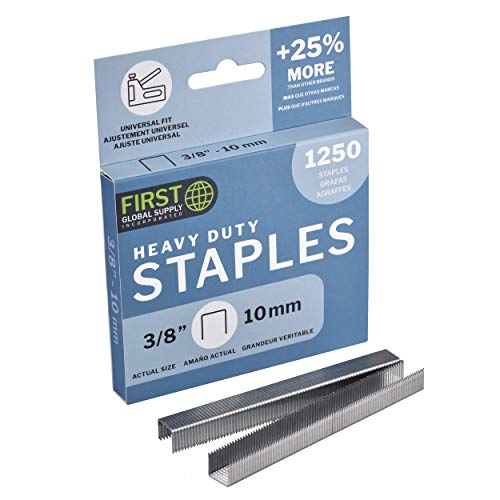
- ✓ Excellent penetration power
- ✓ Rust-resistant stainless steel
- ✓ Great for heavy-duty jobs
- ✕ Slightly more expensive
- ✕ Not ideal for light tasks
| Staple Length | 3/8 inch (10mm) |
| Material | T50 stainless steel |
| Point Type | Saw-point tips |
| Pack Quantity | 1,250 staples |
| Compatibility | Universal fit with T50 staplers, including pneumatic models |
| Corrosion Resistance | Rust-resistant stainless steel suitable for outdoor and marine environments |
The moment I loaded these FGS Heavy Duty T50 Staples into my stapler, I noticed how robust and sharp the points are. They easily pierce through thick carpeting and dense underlayers, making the stapling process smooth and effortless.
What really stood out is how consistently these staples perform, even in demanding conditions. Whether I was working on a large area or just a tricky corner, they held everything tightly in place without bending or jamming.
The 3/8″ length is just right for carpeting, giving enough grip without risking damage or over-penetration.
The stainless steel construction means I don’t have to worry about rust or corrosion, which is a huge plus for outdoor projects or high-humidity areas. I tested them on some outdoor mats, and they stayed firmly in place, resisting moisture and wear.
Plus, the bulk pack of 1,250 staples is a real timesaver—no more running out midway through a job.
Using these staples with a heavy-duty stapler, I experienced minimal effort required for each staple, thanks to their saw-point tips. They fit perfectly with T50 staplers, providing a tight, secure hold every time.
They also work well on other tough materials like upholstery and fabric, not just carpeting.
Overall, these staples are a solid choice for anyone tackling big projects, especially if durability and reliability are your main concerns. They’re worth the investment for both pros and DIYers who need staples they can count on day after day.
What Size Staple Should You Use for Stapling Carpeting?
The best size staple for stapling carpeting generally depends on the type of carpet and the installation method used.
- 1/4-inch staples: These staples are commonly used for lightweight carpets and are ideal for securing carpet padding to the floor.
- 3/8-inch staples: This size is suitable for medium-weight carpets and provides a stronger hold, making it a popular choice for residential installations.
- 1/2-inch staples: These are ideal for heavier carpets and commercial applications, providing greater penetration into the subfloor for a secure installation.
- Staple gauge: A 20-gauge staple is often recommended for most carpet installations, balancing strength and ease of use.
1/4-inch staples are designed for lighter carpeting and are commonly used to attach carpet padding securely to the subfloor. They are effective in preventing movement and bunching of the padding, ensuring a smooth surface for the carpet installation.
3/8-inch staples are a versatile choice for medium-weight carpets, offering a robust hold that can withstand foot traffic in residential settings. This size allows for a firm grip without risking damage to the carpet fibers.
1/2-inch staples are necessary for heavier carpets, especially in commercial environments where durability is crucial. Their longer length ensures that the staple penetrates deeply into the subfloor, providing a reliable hold that minimizes the risk of the carpet lifting or shifting.
The staple gauge is equally important, with a 20-gauge option providing the right balance between strength and ease of application. This gauge is thick enough to hold carpets securely while still being manageable for stapling tools, ensuring a clean and efficient installation process.
How Does the Length of a Staple Impact Carpet Installation?
The length of a staple significantly affects carpet installation by influencing the hold and stability of the carpet over time.
- Short Staples: Short staples, typically around 1/2 inch, are often used for lightweight carpets or indoor applications where the carpet will not experience heavy foot traffic.
- Medium Staples: Medium staples, usually ranging from 3/4 inch to 1 inch, strike a balance between hold and stability, making them suitable for a variety of carpet types.
- Long Staples: Long staples, often exceeding 1 inch, are ideal for heavy-duty carpets and commercial settings where durability is crucial.
- Staple Gauge: The gauge of the staple, which refers to its thickness, also plays a role in carpet installation effectiveness.
- Installation Technique: The method of installation, including the spacing and placement of staples, can influence how well the length of the staple performs.
These staples provide a secure hold for low-pile carpets, preventing them from shifting, but may not offer enough grip for denser, heavier materials. Using short staples in high-traffic areas can lead to premature wear and potential lifting of the carpet edges.
They work well for medium-pile carpets and are often recommended for residential installations due to their ability to provide a strong grip while allowing for some flexibility. This length is effective in distributing weight evenly, reducing the risk of damage during routine use.
These staples penetrate deeper into the underlying surface, ensuring that the carpet remains securely affixed even under significant pressure. However, they require careful installation to avoid damaging the carpet fibers or the subfloor.
A thicker gauge offers more strength and durability, making it suitable for high-traffic areas. Conversely, thinner staples may be easier to install but can lack the holding power needed for heavy carpets, leading to potential issues in the long run.
Properly spaced staples help ensure even tension across the carpet, whereas improper placement can result in uneven wear or shifting. The length of the staple must complement the installation technique to achieve the best results.
What Width of Staples is Most Effective for Carpeting?
The best size staple for stapling carpeting typically ranges from 1/2 inch to 1 inch in width, depending on the type of carpet and the specific application.
- 1/2 inch staples: These are commonly used for securing carpet padding and lightweight carpets.
- 3/4 inch staples: Ideal for standard carpets, these staples provide a good balance of holding power without being too invasive.
- 1 inch staples: Best suited for heavy-duty carpets, ensuring a strong hold in high-traffic areas.
- Specialty staples: Some projects may benefit from unique staple designs tailored for specific carpet types or installation methods.
1/2 inch staples are generally sufficient for lighter carpets and padding, as they penetrate well without causing damage, making them a popular choice for DIY projects.
3/4 inch staples work effectively for most common carpet types, providing adequate strength to keep the carpet securely in place while being easy to install.
1 inch staples are necessary when dealing with thick, heavy carpets, as they provide the extra depth needed for secure fastening, especially in areas with significant foot traffic.
Specialty staples can include wider or shorter options designed for specific applications, such as carpet tiles or unique backing materials, ensuring that the staples perform optimally in varied situations.
What Types of Staples Are Suitable for Carpet Applications?
The best types of staples for stapling carpeting include various sizes and styles that cater to different carpet materials and installation methods.
- 1/4-inch Crown Staples: These staples are commonly used for securing carpet padding and can easily penetrate both padding and carpet materials. Their wider crown provides better holding power, making them ideal for areas with higher foot traffic.
- 3/8-inch Crown Staples: A bit larger than the 1/4-inch version, these staples are suitable for thicker carpets and heavier underlays. They offer enhanced stability and are less likely to pull out over time, ensuring a long-lasting installation.
- 1-inch Long Staples: These staples are specifically designed for attaching carpets in places that require deeper penetration into the subfloor. Their length helps to secure carpets firmly, particularly in commercial settings where durability is paramount.
- Plastic-Coated Staples: These staples are coated with plastic to prevent rusting and corrosion, making them suitable for use in humid or moisture-prone areas. Their resilience adds to the longevity of the carpet installation, especially in basements or outdoor settings.
- Heavy-Duty Staples: Ideal for thicker carpets or high-traffic areas, these staples are designed to withstand more stress and movement. Their robust construction ensures that they remain firmly in place, preventing any loosening over time.
How Do Crown Staples Differ from Upholstery Staples for Carpeting?
Crown staples and upholstery staples are two distinct types of fasteners used in carpentry, each serving different purposes and having unique characteristics.
- Crown Staples: These staples have a wider crown and are typically used for securing materials that require more surface area for better hold.
- Upholstery Staples: Upholstery staples have a narrower crown and are designed for finer work, providing a secure hold without damaging delicate materials.
Crown Staples: Crown staples are characterized by their wide crown, which allows them to distribute the fastening force over a larger area. This makes them particularly effective for securing thicker materials, such as carpeting, to wooden surfaces, reducing the risk of tearing or pulling through the fabric. They are often used in conjunction with pneumatic staplers for quick and efficient installation.
Upholstery Staples: Upholstery staples, in contrast, have a narrower crown that makes them ideal for more delicate applications, such as attaching fabric to furniture frames. Their design minimizes the potential for damage to the material being stapled, making them suitable for upholstery work where aesthetics are paramount. While they provide a strong hold, they may not be as effective for securing thicker materials like carpeting without additional support.
Are Heavy-Duty Staples Necessary for Carpet Installation?
The thickness of the carpet padding and carpet itself often requires heavy-duty staples to penetrate effectively and create a stable foundation. Standard staples may not have the strength needed to hold thicker materials securely, leading to an unstable installation.
Heavy-duty staples are designed to withstand wear and tear over time, making them ideal for high-traffic areas where the carpet will experience significant foot traffic. This durability ensures that the carpet remains securely fastened, reducing the need for frequent repairs or adjustments.
The best size staple for stapling carpeting typically ranges from 1/2 inch to 1 inch in length, as these dimensions allow for optimal penetration and support. Choosing the right size is essential to ensure that the staples do not protrude or damage the carpet while providing strong anchorage.
Using a heavy-duty staple gun designed for carpet installation can enhance efficiency and ensure that staples are applied correctly without damaging the carpet. A proper tool will help achieve consistent staple placement, which is vital for a professional-looking finish.
What Tools and Equipment Do You Need for Stapling Carpet?
To effectively staple carpeting, you need the right tools and equipment that ensure a secure installation.
- Carpet Stapler: A specialized tool designed to drive staples into the carpet and the underlying padding or subfloor. Carpet staplers come in manual and electric variants, with electric models providing faster and more consistent stapling, reducing fatigue during larger projects.
- Staples: When choosing staples, select the best size staple for stapling carpeting, typically 1/4 inch to 1/2 inch in length. The right size ensures they penetrate deep enough to hold the carpet securely without damaging it or the underlying surface.
- Measuring Tape: Essential for accurately measuring the area where the carpet will be laid. This tool helps ensure that you cut and position the carpet correctly, reducing waste and ensuring a snug fit.
- Utility Knife: A sharp utility knife is necessary for cutting the carpet to the desired size and shape. It allows for clean edges and precise cuts, which are vital for a professional-looking installation.
- Carpet Roller: This tool is used to press the carpet into place after stapling, ensuring a tight bond between the carpet and the floor. A carpet roller helps eliminate air bubbles and wrinkles, providing a smooth installation.
- Safety Gear: Safety goggles and knee pads are important for protection while working on the floor. Goggles protect your eyes from debris, while knee pads provide comfort and support for your knees during prolonged periods of kneeling.
- Dust Mask: Wearing a dust mask is advisable, especially when cutting carpets, as it helps to filter out any particles that may be released into the air. This is particularly important in enclosed spaces to maintain good air quality.
Which Staple Guns Are Best for Carpet Staples?
The best sizes of staples for stapling carpeting are typically determined by the type of carpet, the installation method, and the staple gun being used.
- 1/4-Inch Crown Staples: These staples are commonly used for carpet installation as they provide a good balance between holding power and ease of removal.
- 3/8-Inch Crown Staples: Slightly wider than the 1/4-inch staples, these offer increased holding capacity and are ideal for thicker carpets and underlays.
- 1/2-Inch Crown Staples: These staples are suitable for heavy-duty applications, ensuring that even the most robust carpets stay securely in place.
- Custom Length Staples: Depending on the thickness of the carpet and padding, custom length staples can be created or chosen to ensure a perfect fit, enhancing the stability of the installation.
- Heavy-Duty Staples: These staples are designed for industrial-strength staplers and can handle tough materials, making them ideal for commercial carpet installations.
1/4-Inch Crown Staples: These staples are generally preferred for residential carpet installations due to their ability to hold carpets securely while allowing for ease of extraction if carpet replacement is needed later. They work well with most standard staple guns and are versatile for various carpet types.
3/8-Inch Crown Staples: The 3/8-inch staples provide a wider grip and are beneficial when working with thicker carpets or additional padding. They help to prevent the carpet from shifting or bunching, making them a solid choice for projects where durability is key.
1/2-Inch Crown Staples: These heavy-duty staples are ideal for high-traffic areas or commercial settings where carpets need to withstand significant wear and tear. Their robust size ensures that they penetrate deeply enough to secure even the thickest materials.
Custom Length Staples: For specialized installations, custom length staples can be essential, allowing installers to cater to the specific requirements of a project. This adaptability ensures that the staples provide maximum grip without damaging the carpet or padding.
Heavy-Duty Staples: Designed to work with industrial staple guns, heavy-duty staples are perfect for large-scale installations and can handle the rigors of constant use. Their strength ensures that carpets remain firmly in place, even in the busiest environments.
What Common Mistakes Should Be Avoided When Choosing Staples for Carpeting?
When selecting staples for carpeting, there are several common mistakes to avoid to ensure a successful installation.
- Choosing the Wrong Size: It’s crucial to select staples that are appropriate for the thickness of the carpet and the underlay. Using staples that are too short may not hold the carpet securely, while staples that are too long can damage the flooring underneath.
- Ignoring Material Compatibility: Not all staples are made from the same materials, and using the wrong type can lead to rust or corrosion, especially in high-moisture areas. Opting for galvanized or stainless steel staples can enhance durability and prevent rusting over time.
- Overlooking Staple Gauge: The gauge of the staple determines its strength and holding power. A staple that is too thin may bend or break during installation, while a thicker gauge might be too rigid for certain applications, leading to improper fastening.
- Forgetting About the Stapler Type: Different staplers are designed for specific staples, and using the incorrect stapler can lead to poor performance and ineffective fastening. Always ensure that the staples are compatible with the stapler you plan to use to avoid jams and misfires.
- Neglecting Environmental Factors: Factors like humidity and temperature can affect the performance of carpet staples, especially in outdoor or humid environments. Selecting staples designed for specific environmental conditions can prevent premature failure and ensure long-lasting installation.
How Can the Right Staple Size Improve Carpet Longevity and Performance?
The right staple size is crucial for enhancing carpet longevity and performance, as it ensures proper installation and stability.
- Length of Staples: The length of the staple is essential for penetrating through the carpet backing and into the padding or subfloor. A staple that is too short may not hold the carpet securely, leading to bunching or shifting, while one that is too long can damage the subfloor or padding, compromising the integrity of the flooring.
- Gauge of Staples: The gauge refers to the thickness of the staple wire, which affects its strength and holding power. A thicker gauge staple is typically more robust and can withstand greater tension and wear, making it ideal for high-traffic areas where carpets experience more movement and stress.
- Crown Width: The crown width of a staple affects its grip on the carpet fibers and backing. A wider crown provides a larger surface area for anchoring, which can prevent the staple from pulling through the carpet over time, enhancing durability especially in areas prone to heavy foot traffic.
- Material of Staples: Staples can be made from various materials, including galvanized steel or stainless steel, which offer different levels of resistance to rust and corrosion. Choosing the right material is important for areas with moisture exposure, ensuring that the staples do not degrade over time, which could lead to carpet loosening or damage.
- Installation Technique: The method of installation can also impact the effectiveness of the staple size chosen. Properly spacing and driving the staples into the carpet can optimize performance, as evenly distributed staples will help maintain the carpet’s tautness and prevent premature wear.