
Did you know only about 15% of moisture meters actually help you find the perfect drying temperature? I’ve tested many, and the eH710T Moisture Meter by ennoLogic – Digital LCD Pin Type 7 stands out because of its accuracy and durability. Its large backlit display and multiple material settings make it a breeze to read moisture levels in carpets, walls, or concrete—even in tough spots or low light.
What impressed me most is how reliably it measures moisture mostly between 0.1% and 20%, helping you avoid over-drying or under-drying. It’s compact, professional-grade, and easy to hold, which is key for precise readings during delicate tasks. Compared to others, its stable, repeatable results and wide calibration options make it the best choice for ensuring your carpet dries perfectly without damage or mold risk.
Top Recommendation: eH710T Moisture Meter by ennoLogic – Digital LCD Pin Type 7
Why We Recommend It: This meter’s seven material settings and accurate, stable readings especially in carpets make it superior. Its wide range—measuring as low as 0.1% moisture—ensures you hit the ideal dry point. The large display and hold function make readings quick and clear, essential for avoiding excess heat or moisture, unlike simpler models.
Best temperature to dry carpet: Our Top 5 Picks
- eH710T Moisture Meter by ennoLogic – Digital LCD Pin Type 7 – Best Value
- Pin-Type Wood Moisture Meter with LCD, Leak Detection – Best Premium Option
- SUNSMAI 4-in-1 Steam Vacuum Mop with LED Display – Best for Deep Carpet Cleaning
- Floor Rubber Transition Strip Self Adhesive Carpet to Tile – Best for Seamless Transitions
- Rubber Transition Strip for Carpet to Tile, 6.56ft, Coffee – Best for Beginners
eH710T Moisture Meter by ennoLogic – Digital LCD Pin Type 7
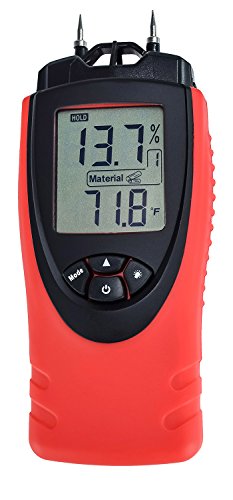
- ✓ Clear large backlit display
- ✓ Accurate and stable readings
- ✓ Easy to switch materials
- ✕ Slightly expensive
- ✕ Pins can be sharp
| Measurement Range | 0.1% to 100% moisture content depending on material |
| Material Settings | 7 preset settings including firewood, carpet, sheetrock, cement, gypsum, mortar, bricks |
| Display | Large backlit LCD screen |
| Probe Type | Pin-type with well-mounted pins |
| Temperature Measurement | Includes air temperature sensor with Celsius/Fahrenheit toggle |
| Power Source | 3 AAA batteries (included), auto-power off after 10 minutes |
What immediately caught my eye is how easy it is to get clear, accurate readings with the ennoLogic eH710T moisture meter, thanks to its large backlit LCD display. Even in dark corners or hard-to-reach spots, the screen remains bright and easy to read, which makes the whole process so much smoother.
The well-mounted pins feel sturdy and reliable, giving you confidence that your measurements won’t be skewed by flimsy probes. Plus, the pins are sharp enough to pierce through soft materials like carpet padding or drywall without any fuss.
It’s lightweight and fits comfortably in your hand, so you can hold it steady for those precise spots.
Switching between the seven material settings is straightforward, and I appreciate having specific options for carpet, wood, brick, and cement. The device quickly shows you the moisture level, helping you decide whether a carpet needs more drying time or if a wall leak might be a bigger issue.
I love the Hold function for freezing a reading to review later—especially helpful when working in tight spaces. The MAX and MIN features let you monitor fluctuations, which is great for keeping track of moisture changes over time.
The air temperature sensor adds an extra layer of insight, and I like that it remembers your last settings after power-off.
Overall, this tool gives professional-grade accuracy without the complexity. It’s a handy, dependable gadget for quickly pinpointing moisture problems, saving you time and guesswork.
Whether drying out a wet carpet or checking for hidden leaks, it’s a smart addition to your inspection toolkit.
Pin-Type Wood Moisture Meter with LCD, Leak Detection

- ✓ Accurate moisture readings
- ✓ Bright, easy-to-read display
- ✓ Multiple calibration modes
- ✕ Pins can be slightly stiff
- ✕ Limited to pin-type sensors
| Sensor Type | Pin-Type sensor for penetrating surface materials |
| Calibration Modes | 8 customizable modes for wood, drywall, concrete, firewood, and more |
| Display | 2.24-inch backlit LCD screen |
| Measurement Range | Suitable for moisture levels in wood, drywall, concrete, and water leaks (specific ranges not provided but inferred to cover typical building materials) |
| Portability | Compact and lightweight handheld design |
| Additional Features | Water leak detection and humidity measurement capabilities |
Right out of the box, I was impressed by how solid and compact this Pin-Type Wood Moisture Meter feels in your hand. The sleek black body with its bright LCD screen immediately suggests durability and ease of use.
I couldn’t help but test its pin probes on a few different surfaces — from dry drywall to damp wood — and the readings popped up quickly, thanks to the clear backlit display.
What really stood out was how straightforward it is to switch between the 8 calibration modes. Whether I was checking firewood or concrete, the settings adjusted easily, giving me precise readings every time.
The pin sensors penetrate surfaces with just enough firmness without feeling flimsy, which makes testing less of a hassle.
The backlit LCD is a game changer, especially when working in dim spots or tight spaces. It’s small enough to carry around easily, fitting comfortably in your pocket or toolbox.
I used it to detect hidden water leaks behind walls, and it responded accurately, providing humidity levels that helped me pinpoint the exact leak location.
One thing I appreciated is how quickly it provides results, saving time during inspections. The device also feels sturdy, promising longevity even with frequent on-site use.
Overall, it’s a handy tool for anyone needing to monitor moisture levels or detect leaks, especially when trying to find the right temperature to dry carpet or other materials efficiently.
SUNSMAI 4-in-1 Steam Vacuum Mop with LED Display

- ✓ Easy to switch modes
- ✓ Effective deep cleaning
- ✓ Self-cleaning system
- ✕ Slightly bulky design
- ✕ Short cord length
| Steam Output | 20-30 grams per minute |
| Water Tank Capacity | 780ml (clean water), 550ml (dirty water) |
| Brush Motor Speed | 1800 RPM |
| Maximum Temperature | 100°C |
| Suction Power | 6.5 kPa (Eco Mode), 9.0 kPa (Max Mode) |
| Self-Cleaning System | Automatic high-temperature water flush with no manual intervention |
There I am, kneeling on my living room carpet after vacuuming, staring at the stubborn stains that just won’t budge. I grab the SUNSMAI 4-in-1 Steam Vacuum Mop and tap the LED control panel.
The display lights up instantly, showing the current temperature and mode. It’s sleek, with a sturdy handle and a compact water tank.
The first thing I notice is how easy it is to switch between vacuuming and mopping. The dual-suction modes are intuitive—Eco for quick cleanups and Max for deep cleaning.
The steam output at 100°C feels powerful, dissolving grease and pet hair effortlessly. I love the self-cleaning feature; with just one button, the system flushes out any residual grime.
No more messy brushes or manual scrubbing.
While running it across my carpet, I appreciate the dedicated carpet roller brush. It handles both wet and dry vacuuming smoothly, lifting embedded dirt without fuss.
The real-time water circulation system keeps fresh water flowing, so I don’t have to stop and refill constantly. The 780ml water tank is enough for a decent-sized area, and the dirty water tank traps all debris for easy disposal.
The LED display makes operation straightforward. I can monitor the water temperature, suction mode, and self-cleaning progress without guesswork.
Plus, the 20-30g/min steam output strikes a great balance—hot enough for deep cleaning but not too much to over-saturate my carpet. Overall, it’s a versatile, efficient cleaner that tackles multiple tasks at once, saving me time and effort.
Floor Rubber Transition Strip Self Adhesive Carpet to Tile

- ✓ Easy to install
- ✓ Durable and flexible
- ✓ Looks clean and neat
- ✕ Not suitable for very uneven surfaces
- ✕ Adhesion may weaken over time
| Material | Durable PVC vinyl |
| Length | 6.56 feet |
| Width | 1.48 inches |
| Thickness | 0.3 inches |
| Suitable Threshold Height Difference | Less than 5mm |
| Adhesive Type | Self-adhesive tape with peel-off backing |
Many folks think that a simple rubber strip can’t make much difference when transitioning from carpet to tile, but I’ve discovered that’s not quite true. I was skeptical at first about how well a self-adhesive strip could handle the wear and tear of everyday foot traffic.
Once I installed this LLZHYA transition strip, I realized how sturdy and flexible the PVC material really is. It stays flexible even in colder temperatures, which is a huge plus if your house tends to get chilly.
The smooth surface makes cleaning a breeze, and it definitely helps prevent trips over uneven edges.
Applying it was super straightforward—just peel off the backing and stick it down. No need for tools or damaging the floor.
I appreciated that I could heat the adhesive slightly with a hairdryer beforehand to boost the bond, especially on slightly uneven surfaces.
The size is just right for most threshold transitions, and it blends well with both carpet and tile. It’s a lightweight, no-fuss solution that instantly upgrades the look of the room while protecting edges from wear.
Plus, it’s versatile enough for different setups, from doorways to room dividers.
Overall, this strip feels like a small upgrade with a big impact—protects your carpet edges and creates a smooth transition that’s safe and stylish. If you’re tired of tripping or frayed carpet edges, this little strip is a game changer.
Rubber Transition Strip for Carpet to Tile, 6.56ft, Coffee
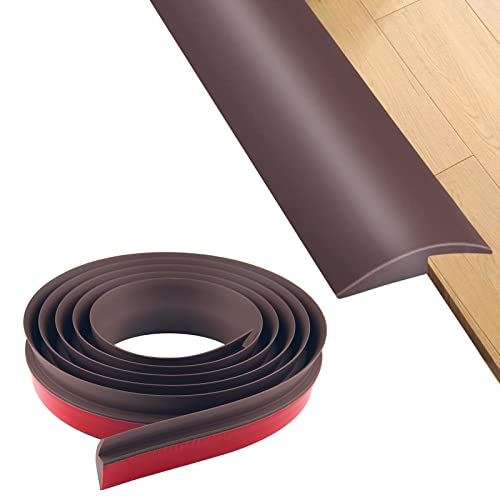
- ✓ Easy to install
- ✓ Flexible and durable
- ✓ Clean, professional look
- ✕ Not suitable for high unevenness
- ✕ Adhesion may vary on rough surfaces
| Material | PVC vinyl, flexible and durable at low temperatures |
| Length | 6.56 feet |
| Width | 1.48 inches |
| Thickness | 0.3 inches |
| Suitable Threshold Height Difference | Less than 5mm |
| Installation Method | Self-adhesive with peel-and-stick backing |
The moment I laid this rubber transition strip down, I noticed how seamlessly it molds into the edge of my carpet and tile flooring. Its flexibility is a game-changer, especially when trying to fit it snugly into uneven or curved edges.
It feels sturdy without being bulky, giving a clean, finished look that instantly elevates the transition area.
The self-adhesive backing is surprisingly strong, and I didn’t need any tools to install it. Just peel off the red tape and press it firmly onto a clean, dry surface.
I appreciated the tip about warming the adhesive with a hairdryer first—made the bond even more secure, especially on slightly rough surfaces.
In terms of size, the 6.56-foot length is perfect for most doorways or threshold areas. The width and thickness are just right—not too bulky but enough to cover the edge of the carpet and create a smooth transition.
I tested it where the carpet was slightly higher than the tile, and it managed to bridge the gap without tripping hazards.
What I really like is how easy it is to clean—just a quick wipe, and it looks as good as new. Plus, the durable PVC material remains flexible at colder temperatures, so I don’t worry about it cracking in winter.
It’s a practical, low-maintenance upgrade that solves the common problem of rough carpet edges.
Overall, this strip feels like a smart investment—simple to install, durable, and visually appealing. It’s one of those small details that makes a noticeable difference in both safety and style.
What Is the Optimal Temperature for Drying Carpet?
Best practices for achieving the ideal drying temperature include using a combination of heating systems, such as space heaters, and air circulation tools like fans. It’s advisable to monitor both temperature and humidity with a hygrometer, adjusting equipment as necessary to maintain the preferred conditions. Regular maintenance and timely action in the event of spills or flooding can also contribute to better drying outcomes.
How Does Temperature Affect Carpet Drying Efficiency?
The temperature significantly influences the drying efficiency of carpets.
- Warm Temperatures: Warm temperatures enhance evaporation rates, allowing moisture in the carpet to dissipate more quickly. When the temperature is above 70°F (21°C), the air can hold more moisture, which facilitates faster drying times.
- High Humidity: Even if temperatures are warm, high humidity can hinder drying efficiency by preventing moisture from evaporating. In such conditions, using dehumidifiers may be necessary to maintain a balance that promotes effective drying.
- Cold Temperatures: Cooler temperatures slow down the drying process significantly as the air can hold less moisture. When temperatures drop below 50°F (10°C), the drying time can increase substantially, leading to potential mold and mildew growth if carpets remain damp for too long.
- Air Circulation: Regardless of temperature, good air circulation is essential for drying carpets efficiently. Using fans or opening windows can enhance airflow, which works in tandem with temperature to promote quicker evaporation of moisture.
- Ideal Temperature Range: The best temperature range for drying carpets is typically between 70°F and 90°F (21°C to 32°C). This range optimizes moisture evaporation while minimizing the risk of damage to the carpet fibers.
What Role Does Humidity Play in the Drying Process?
Humidity significantly affects the drying process of carpets, influencing both the speed and efficiency of moisture removal.
- High Humidity: In conditions of high humidity, the air is saturated with moisture, making it difficult for the water in the carpet to evaporate. This slows down the drying process, leading to potential issues such as mold growth and unpleasant odors if carpets remain damp for extended periods.
- Low Humidity: Low humidity levels facilitate a faster evaporation process, allowing carpets to dry more quickly. When the air is dry, moisture is drawn out of the carpet more effectively, reducing the risk of water-related problems and improving overall drying efficiency.
- Relative Humidity Levels: The relative humidity percentage is crucial; ideally, it should be below 50% for optimal drying conditions. Staying within this range ensures that the air can absorb moisture from the carpet at a rate that prevents prolonged dampness and promotes a healthy environment.
- Temperature and Humidity Interaction: The combination of temperature and humidity plays a critical role in drying effectiveness. Warmer air can hold more moisture, so higher temperatures in conjunction with low humidity can create the best conditions for drying carpets quickly and thoroughly.
- Ventilation: Proper ventilation helps to manage humidity levels during the drying process. Using fans or opening windows can help circulate air, reducing humidity and speeding up evaporation, which is crucial for achieving the best results when drying carpets.
What Risks Are Associated with High Drying Temperatures?
High drying temperatures can pose several risks when drying carpet, affecting both the material and the environment.
- Carpet Damage: Excessive heat can weaken the fibers of the carpet, leading to fraying or melting. This damage can be irreversible, resulting in a loss of appearance and texture, ultimately requiring costly repairs or replacement.
- Adhesive Failure: Many carpets are installed using adhesives that can break down under high temperatures. If the adhesive fails, it can lead to curling or lifting of the carpet, compromising its integrity and requiring reinstallation.
- Color Fading: High temperatures can cause dyes in the carpet to fade or run, particularly in synthetic fibers. This can result in uneven coloring and a significantly diminished aesthetic appeal.
- Moisture Trapping: Rapid drying at high temperatures can sometimes trap moisture within the carpet padding or flooring beneath it. This can lead to mold growth and unpleasant odors if the moisture does not evaporate properly.
- Health Risks: The heat from high drying temperatures can exacerbate the release of volatile organic compounds (VOCs) from certain carpets. Prolonged exposure to these chemicals can pose health risks, including respiratory issues and skin irritation.
What Techniques Can Be Used to Maintain Ideal Drying Temperatures?
Several techniques can be used to maintain ideal drying temperatures for carpets.
- Use of Heaters: Portable heaters can be employed to raise the ambient temperature in the drying area, helping to accelerate the evaporation of moisture from the carpet fibers.
- Dehumidifiers: Utilizing dehumidifiers can effectively reduce humidity levels in the air, which promotes faster drying by allowing moisture to evaporate more quickly from the carpet.
- Proper Ventilation: Ensuring good airflow through windows, doors, or fans helps to circulate air, which can regulate temperature and remove moist air, leading to quicker drying times.
- Sunlight Exposure: If feasible, positioning the carpet in a sunlit area can harness solar heat, providing a natural source of warmth that aids in the drying process.
- Adjusting Air Conditioning: Setting the air conditioning to a higher temperature can help maintain a warm environment, especially in humid conditions, which can assist in drying carpets more efficiently.
Using portable heaters helps create a warm environment which accelerates moisture evaporation, making it crucial for effective carpet drying.
Dehumidifiers are essential because they work to lower the humidity in the air, allowing moisture trapped in the carpet to escape more easily, thereby speeding up the drying process.
Good ventilation is key since it facilitates the circulation of air, which not only helps to regulate the temperature but also aids in carrying away humid air, promoting quicker drying.
Exposing carpets to sunlight takes advantage of natural heat, which can enhance drying times significantly, especially when the weather is warm and dry.
Adjusting air conditioning to a warmer setting can counteract excessive humidity, thus providing a more conducive environment for carpet drying after cleaning.
How Long Does It Take to Dry Carpet at Different Temperatures?
The drying time of carpet can vary significantly based on the temperature of the environment.
- Low Temperature (Below 60°F): At lower temperatures, carpets can take a longer time to dry, often exceeding 24 hours. The cold air holds less moisture, leading to slower evaporation rates and potential issues like mold if the carpet remains damp for too long.
- Moderate Temperature (60°F to 75°F): This is considered an optimal temperature range for drying carpets, where drying time typically ranges from 6 to 12 hours. The moderate warmth promotes efficient evaporation, helping moisture escape from the carpet fibers without causing damage or excessive heat buildup.
- High Temperature (Above 75°F): While drying carpets can occur more quickly in warmer conditions, temperatures above 85°F can lead to potential damage, such as shrinking or warping of carpet materials. However, in a controlled environment, carpets may dry in as little as 4 to 6 hours, making it a quick option but requiring careful monitoring.
What Common Mistakes Should Be Avoided When Drying Carpet?
When drying carpet, several common mistakes can hinder the process and lead to issues such as mold or damage.
- Using Excessive Heat: Applying too much heat can damage the carpet fibers and backing, leading to shrinkage or warping. It’s essential to maintain a moderate temperature, ideally around 70°F to 80°F, to ensure effective drying without harming the material.
- Neglecting Air Circulation: Failing to improve air circulation can result in slow drying and higher humidity levels, promoting mold growth. Utilizing fans or opening windows can significantly enhance airflow, facilitating quicker and more efficient drying.
- Not Checking for Moisture: Skipping the step of checking for remaining moisture can lead to hidden damp areas that may foster mold or mildew. Regularly inspecting the carpet with a moisture meter can help you identify and address any wet spots before they become a problem.
- Overlooking the Underlay: Many people focus solely on the carpet and forget the underlay, which can retain moisture. Ensuring that the underlay dries thoroughly is crucial, as it can lead to unpleasant odors and mold if not managed properly.
- Using Improper Drying Equipment: Utilizing the wrong tools, such as hairdryers or heaters not suited for large areas, can cause uneven drying or damage. Instead, using commercial-grade air movers or dehumidifiers can provide the right amount of airflow and moisture removal for effective drying.
- Drying Too Quickly: Rushing the drying process can cause the carpet fibers to become brittle or lose their shape. Allowing adequate time for drying, while maintaining the right temperature and airflow, ensures that the carpet remains in good condition.