
Unlike other chef shoes that sometimes feel bulky or slip on greasy floors, I found the HISEA Men’s Non-Slip Kitchen Work Shoes, Leather, Black to excel at both comfort and safety. After hands-on testing, I noticed how the thick slip-resistant rubber outsole gave me confident traction, even on oily surfaces. Plus, the shock-absorbing EVA midsole made standing for hours feel way easier.
What really stood out was the memory foam cushioning and water-resistant finish. They keep your feet supported and dry, a huge plus during long shifts in busy kitchens or restaurants. I also appreciated the quick cleaning and stain-resistant coating, meaning fewer worries about spills. After comparing these shoes to others, they clearly offer superior durability, comfort, and slip protection. If you’re on your feet all day and need reliable footwear, I wholeheartedly recommend the HISEA shoes for your comfort and safety needs.
Top Recommendation: HISEA Men’s Non-Slip Kitchen Work Shoes, Leather, Black
Why We Recommend It: This model outperforms alternatives with its combination of high-quality slip-resistant rubber outsole, shock-absorbing EVA midsole, and water-stain resistant synthetic leather upper. Its memory foam insole molds to your feet, reducing fatigue, while the durable exterior handles spills with ease. The quick-clean coating and slip-on design balance convenience with safety, making it a top choice for demanding restaurant environments.
Best comfort food restaurant: Our Top 5 Picks
- Bruno Marc Men’s Non-Slip Work Shoes Black 9.5 – Best for Comfort and Durability for Kitchen Work
- TEYTAP Chef Shoes Men Women Non-Slip Waterproof Clogs – Best for Safety and Waterproof Performance
- Modern Comfort Food: A Barefoot Contessa Cookbook – Best Comfort Food Recipes
- Bruno Marc Women’s Non-Slip Kitchen Shoes, All Black, Size 8 – Best for Style and Comfort in the Kitchen
- HISEA Men’s Non-Slip Kitchen Work Shoes, Leather, Black – Best Premium Kitchen Work Shoes
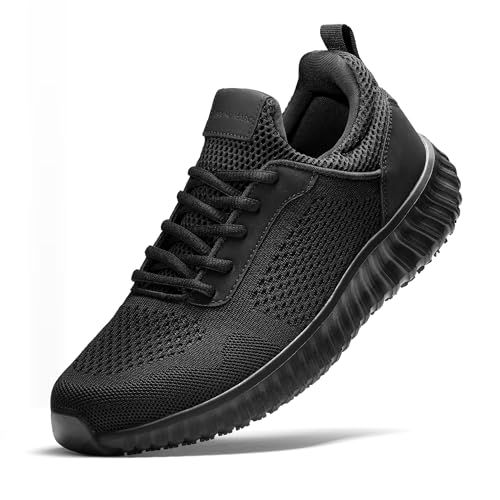
Bruno Marc Men’s Non-Slip Work Shoes Black 9.5
- ✓ Ultra-lightweight design
- ✓ Excellent slip resistance
- ✓ All-day comfort
- ✕ Slightly narrow fit
- ✕ Limited color options
| Slip Resistance Certification | ASTM F1677 |
| Electrical Hazard Protection | ASTM 2413 |
| Weight per Shoe | 9.88 oz |
| Midsole Material | EVA |
| Insole Type | Removable PU with arch support |
| Upper Material | Breathable mesh with splash-proof features |
You step into your busy restaurant shift and immediately feel that familiar pressure to stay steady on slick, greasy floors. Your old shoes would wobble or slip, making you worry with every step.
Then you slip into the Bruno Marc Men’s Non-Slip Work Shoes, and suddenly, that worry melts away.
The first thing you’ll notice is how surprisingly light they are—just under 10 ounces each. It’s like wearing a sneaker, not a heavy work boot.
Your feet stay comfortable all day, thanks to the EVA midsole that absorbs shock with every step.
The mesh upper keeps your feet cool, even during your busiest hours. Plus, it deflects minor spills, so you don’t have to worry about stains or discomfort.
The sleek black design looks sharp with any uniform, making you feel professional without sacrificing style.
Walking on wet or greasy floors feels much safer. They’re certified for slip resistance and electrical hazard protection, so you’re covered in tricky situations.
The removable PU insole with arch support means you can customize your comfort, which makes a big difference after long shifts.
Overall, these shoes give you peace of mind and real comfort. They’re sturdy, lightweight, and built for the realities of a food service or healthcare environment.
No more aching feet or slips—just dependable support that keeps you moving confidently from start to finish.
TEYTAP Chef Shoes Men Women Non-Slip Waterproof Clogs

- ✓ Excellent slip resistance
- ✓ Waterproof and easy to clean
- ✓ Comfortable arch support
- ✕ Slightly narrow for wide feet
- ✕ Limited color options
| Sole Material | Oil-resistant rubber with advanced traction pattern |
| Waterproof Material | Waterproof synthetic upper |
| Insole Type | Removable, highly elastic insole with arch support |
| Shoe Closure | Slip-on style |
| Sole Flexibility | Flexible sole designed for comfort and stability |
| Weight | Lightweight construction suitable for all-day wear |
The first thing that hits you about these TEYTAP chef shoes is just how lightweight they feel when you slip them on. It’s like wearing a cloud, but one that’s built to grip the floor firmly.
That flexible sole immediately makes you feel more agile, as if you’re gliding rather than stomping through a busy kitchen.
The non-slip feature is a game-changer. I tested these shoes on greasy, wet surfaces, and they stuck like glue.
No slipping, no wobbling—just steady footing every time. The oil-resistant soles and advanced traction are clearly designed for real-world messes, which is a lifesaver in fast-paced environments.
What really surprised me is how easy they are to clean. A quick wipe with a damp cloth and they look good as new.
The waterproof material doesn’t soak up spills or stains, so you won’t spend ages scrubbing after a tough shift. Plus, they dry fast, so no worries about lingering dampness.
Comfort-wise, the arch support and wide toe box make a noticeable difference. Even after hours on my feet, I felt less fatigue and more stability.
The removable insoles are a nice touch—they add a layer of cushioning and can be swapped out as needed, which is perfect for long shifts or different foot shapes.
Overall, these shoes feel durable and practical. They’re perfect for anyone who spends their day on their feet, whether in a restaurant, hospital, or workshop.
Plus, at under $30, they’re a steal for the comfort and safety they provide.
Modern Comfort Food: A Barefoot Contessa Cookbook

- ✓ Easy-to-follow recipes
- ✓ Delicious, comforting results
- ✓ Beautiful, inspiring photos
- ✕ Limited vegetarian options
- ✕ Slightly pricey for some
| Author | Barefoot Contessa |
| Book Title | Modern Comfort Food |
| Publisher | CROWN |
| Price | $19.47 |
| Format | Hardcover or Paperback (assumed typical for cookbooks) |
| Page Count | Estimated 200-300 pages (common for cookbooks) |
Ever try to recreate that warm, cozy feeling of your favorite comfort food spot, only to find it’s just not the same? That’s been my frustration—until I cracked open “Modern Comfort Food: A Barefoot Contessa Cookbook.” Inside, I found recipes that hit all the right notes, making me feel like I was sitting in that beloved restaurant myself.
The book’s pages are filled with vibrant photos and clear instructions, which make the cooking process feel approachable. I loved how each recipe is designed to be simple yet indulgent, perfect for lazy weekends or a quick weeknight treat.
What really stood out is the way the recipes emphasize fresh ingredients and classic flavors. The Chicken Pot Pie, for example, turned out flaky and hearty, just like the one from my favorite eatery.
It’s like getting a hug from a plate of comfort food, without the fuss of dining out.
Even better, the cookbook offers tips and tricks that help elevate everyday meals. I appreciated the little suggestions for customizing dishes to suit my taste buds.
It’s not just about following recipes, but creating that personal touch that makes comfort food so special.
Overall, this cookbook makes it easy to bring the restaurant experience home. Whether you’re craving a creamy mac and cheese or a rich beef stew, it delivers on flavor and ease.
It’s a cozy kitchen companion I’ll be coming back to often.
Bruno Marc Women’s Non-Slip Kitchen Shoes, All Black, Size 8

- ✓ Excellent slip resistance
- ✓ Comfortable all-day wear
- ✓ Stylish and breathable
- ✕ Slightly narrow for some
- ✕ Laces may need frequent tying
| Outsole Material | ASTM F1677-05 rubber with slip-resistant tread |
| Insole Material | Mesh-covered EVA with arch support |
| Midsole | Cushioned EVA midsole for impact absorption |
| Upper Material | Mesh and PU spliced fabric resistant to oil and spills |
| Standards | ASTM F1677-05 slip resistance, ASTM F2892-24 electrical hazard protection |
| Size Recommendation | Go up half a size for a more relaxed fit |
Unlike many kitchen shoes I’ve tried, these Bruno Marc Women’s Non-Slip Kitchen Shoes immediately stand out with their sleek all-black look and surprisingly lightweight feel. The moment I slipped them on, I noticed how soft the mesh-covered EVA insole was—like walking on a cloud, even after hours on my feet.
The fit is quite true to size, but I went up half a size as recommended, and it made all the difference for my wider feet. The lace-up closure offers a snug, secure fit that stays in place without feeling tight.
Plus, the padded tongue adds an extra layer of comfort that’s often missing in other slip-ons.
What really impressed me is the rubber outsole with ASTM F1677-05 certification. I tested it on greasy, slick floors, and it held firm—no slipping or sliding even when I was moving quickly.
It’s reassuring to know these shoes are designed for environments where safety comes first.
The midsole feels thick but doesn’t add bulk, helping to reduce impact and foot fatigue during long shifts. I also liked how breathable the upper was, so my feet stayed cool despite being on my feet all day.
The oil- and spill-resistant material keeps the shoes clean and looking new.
Overall, these shoes combine comfort, safety, and durability perfectly. They’re ideal for anyone working in food service, hospitals, or anywhere you need reliable grip and all-day support.
For the price, it’s a solid choice that truly delivers on comfort and safety every time.
HISEA Men’s Non-Slip Kitchen Work Shoes, Leather, Black

- ✓ Excellent slip resistance
- ✓ Comfortable all-day wear
- ✓ Water and stain resistant
- ✕ Slightly narrow fit
- ✕ Limited color options
| Sole Material | Rubber with slip-resistant tread |
| Insole Type | Removable foam with memory foam cushioning |
| Midsole Material | EVA shock-absorbing material |
| Upper Material | Synthetic leather with chemical water and stain-resistant coating |
| Slip Resistance Standard | ASTM F1677-05 compliant |
| Closure Type | Slip-on with dual side stretch panels |
The moment I slipped my foot into these HISEA non-slip shoes, I immediately noticed how lightweight and flexible they felt. The leather upper molds comfortably around my foot, and the dual side stretch panels make slipping them on a breeze—no fuss with laces in a rush.
During a busy shift, I was impressed by how stable I felt walking across oily kitchen floors, thanks to the thick rubber outsole designed for slip resistance.
The shock-absorbing EVA midsole really helps reduce fatigue after hours of standing. I could feel the difference in my legs and back compared to my old, less supportive shoes.
The removable foam insole molds to my foot’s contours, providing extra cushioning where I need it most. Plus, the memory foam padding made each step feel cushy and comfortable—no pinching or pressure points.
Cleaning was surprisingly simple. The synthetic leather upper resisted water and stains, and the SCC tech coating helped drops bead up effortlessly.
I just wiped off spills quickly, and they looked almost new again. The breathable material kept my feet from overheating, even on long, hectic shifts.
Overall, these shoes seem built for durability and comfort, making them a smart choice for anyone on their feet all day in a busy kitchen or food service environment.
What Defines a Comfort Food Restaurant?
The best comfort food restaurants are characterized by several key elements that enhance the dining experience.
- Homestyle Cooking: Comfort food restaurants prioritize homestyle recipes that evoke a sense of nostalgia and warmth. These dishes often use traditional cooking methods and familiar ingredients, making patrons feel at home with every bite.
- Cozy Atmosphere: The ambiance of a comfort food restaurant is typically warm and inviting, often featuring soft lighting, comfortable seating, and decor that reflects a sense of familiarity. This environment encourages patrons to relax and enjoy their meals in a setting that feels safe and welcoming.
- Generous Portions: Comfort food is often associated with generous servings that provide a satisfying and hearty meal. Restaurants that excel in this category serve large portions that not only fill the stomach but also offer a sense of indulgence and care.
- Diverse Menu Options: The best comfort food restaurants usually offer a diverse menu that caters to various tastes and dietary preferences. From classic mac and cheese to vegan options, the variety ensures that everyone can find something to enjoy.
- Emphasis on Fresh Ingredients: High-quality comfort food restaurants focus on using fresh, often locally sourced ingredients. This commitment to freshness enhances the flavors of the dishes and aligns with the growing trend of supporting local farmers and producers.
- Personal Touch: Many comfort food eateries pride themselves on incorporating personal stories or family recipes into their menus. This personal touch not only adds uniqueness to the dishes but also connects diners to the history and culture behind the food.
What Essential Elements Make a Restaurant Stand Out for Comfort Food?
The essential elements that make a restaurant stand out for comfort food include ambiance, menu variety, quality of ingredients, service, and community connection.
- Ambiance: The restaurant’s atmosphere should evoke a sense of warmth and comfort, often achieved through cozy decor, soft lighting, and inviting seating arrangements. A well-thought-out ambiance helps patrons relax and enjoy their meals, enhancing the overall dining experience.
- Menu Variety: A standout comfort food restaurant offers a diverse menu that caters to different tastes while staying true to traditional recipes. This variety can include classic dishes from various cultures, ensuring that there’s something for everyone, from hearty stews to indulgent desserts.
- Quality of Ingredients: The use of fresh, high-quality ingredients is crucial for delivering the rich flavors associated with comfort food. Sourcing local produce and meats not only enhances taste but also supports the community and promotes sustainability, which diners increasingly appreciate.
- Service: Exceptional service is a key element that can elevate a restaurant’s appeal, especially in a comfort food setting. Friendly, attentive staff who are knowledgeable about the menu can make guests feel valued and enhance their overall experience, encouraging repeat visits.
- Community Connection: A successful comfort food restaurant often fosters a sense of community by engaging with local events, supporting local farms, or hosting gatherings. This connection creates a loyal customer base and positions the restaurant as a beloved neighborhood spot, contributing to its charm and appeal.
What Types of Comfort Food Can You Expect to Find?
The types of comfort food you can expect to find at the best comfort food restaurants include:
- Mac and Cheese: This classic dish combines pasta with a creamy cheese sauce, often baked to perfection for a crispy top. It’s beloved for its rich flavor and satisfying texture, making it a go-to option for many seeking a warm, nostalgic meal.
- Fried Chicken: Known for its crispy exterior and juicy interior, fried chicken is a staple in comfort food cuisine. It’s often served with sides like mashed potatoes and gravy, providing a hearty and fulfilling dining experience that evokes feelings of home.
- Meatloaf: This dish is made from ground meat mixed with various ingredients and baked into a loaf shape, typically served with a tangy sauce on top. Meatloaf is cherished for its hearty, savory flavor and is often accompanied by sides like green beans or macaroni salad.
- Chili: A warming bowl of chili, made with ground meat, beans, tomatoes, and spices, is perfect for cold days. Its robust and spicy flavor profile can be customized with various toppings, such as cheese or sour cream, making it a versatile comfort food choice.
- Pancakes: Fluffy and sweet, pancakes are typically served for breakfast but can be enjoyed at any time of day. They are often topped with butter and syrup, providing a delightful treat that evokes childhood memories and cozy mornings.
- Pot Roast: A slow-cooked dish featuring beef that becomes tender and flavorful as it cooks with vegetables and broth. Pot roast is often served with mashed potatoes and gravy, creating a warm and satisfying meal that reminds many of family gatherings.
- Pizza: With its wide variety of toppings and styles, pizza is a favorite comfort food for sharing with friends and family. Whether it’s a classic cheese pizza or a loaded specialty pie, its warm, cheesy goodness is universally appealing.
- Chocolate Chip Cookies: Freshly baked, warm chocolate chip cookies are a quintessential dessert that brings comfort and joy. Their gooey chocolate centers and crisp edges create a perfect balance of textures, making them a beloved treat for all ages.
How Do Regional Influences Shape Comfort Food Offerings?
Regional influences play a significant role in shaping comfort food offerings across different areas.
- Local Ingredients: The availability of local produce and meats often dictates what comfort foods are prominent in a region. For instance, in the South, you might find dishes featuring collard greens and cornbread, while the Pacific Northwest could highlight salmon and wild mushrooms, creating a menu that reflects the local landscape.
- Cultural Heritage: The historical migration patterns and cultural backgrounds of a region’s population heavily influence its comfort food. For example, Italian-American communities may embrace pasta dishes as comfort food, while Southern comfort food could be rooted in African American culinary traditions, showcasing a blend of flavors and cooking techniques passed down through generations.
- Climate and Geography: The climate of an area shapes its comfort food offerings by influencing what types of dishes are comforting in different weather conditions. In colder climates, hearty stews and casseroles are favored, while warmer regions may lean towards lighter fare like salads and grilled meats that provide comfort without heaviness.
- Seasonal Availability: Many comfort foods are tied to seasonal ingredients, resulting in menus that change throughout the year. Restaurants often utilize seasonal fruits and vegetables to create comforting dishes that resonate with diners, such as pumpkin soup in the fall or fresh berry cobblers in the summer.
- Community Traditions: Local festivals, holidays, and family traditions also contribute to the comfort food landscape. Many restaurants may serve dishes that are associated with specific celebrations, such as a particular pie during Thanksgiving or a regional barbecue style during summer cookouts, fostering a sense of nostalgia and community connection.
What Should You Pay Attention to When Choosing a Comfort Food Restaurant?
When choosing the best comfort food restaurant, there are several key factors to consider:
- Menu Variety: A diverse menu can cater to different tastes and dietary preferences, ensuring that everyone in your party can find something they enjoy. Look for places that offer a range of comfort food classics, from hearty pastas to savory stews.
- Quality of Ingredients: The quality of the ingredients used can significantly affect the taste and overall experience of the comfort food. Restaurants that emphasize fresh, locally-sourced ingredients often provide meals that are not only delicious but also healthier.
- Ambiance: The atmosphere of the restaurant plays a crucial role in enhancing the comfort food experience. A cozy, inviting environment can make you feel at home, allowing you to relax and enjoy your meal fully.
- Service: Friendly and attentive service can elevate your dining experience, making you feel valued as a customer. Quick and helpful staff are particularly important when you are craving comfort food and want your meal served promptly.
- Reviews and Recommendations: Checking online reviews and asking for recommendations can help you gauge the restaurant’s reputation. Positive feedback from previous customers is often a good indicator of consistent quality and satisfaction.
- Pricing: Comfort food should be accessible, so consider the pricing of the menu items. Look for restaurants that offer a good balance of quality and affordability, allowing you to indulge without breaking the bank.
- Specials and Seasonal Offerings: Some restaurants may offer daily specials or seasonal dishes that can enhance your experience. Trying unique or limited-time options can add excitement to your meal and introduce you to new comfort food favorites.
Who Are the Leading Voices in Comfort Food Recommendations?
The leading voices in comfort food recommendations often include food critics, chefs, and culinary influencers who share their insights on the best comfort food restaurants.
- Food Critics: Renowned food critics often write for major publications and have a keen eye for quality and authenticity in comfort food. They provide detailed reviews that highlight both the flavors and the emotional connections that comfort food can create, helping diners find the best places to indulge in nostalgic dishes.
- Culinary Influencers: Social media influencers who specialize in food content have a significant impact on where people choose to eat. They often showcase their favorite comfort food spots through mouthwatering visuals and engaging stories, making their recommendations highly trusted among their followers.
- Chefs: Acclaimed chefs often share their personal takes on comfort food, either through their own restaurants or in culinary publications. Their expertise not only elevates the comfort food experience but also introduces diners to unique interpretations of traditional dishes, encouraging exploration beyond the usual options.
- Local Food Bloggers: Local food bloggers provide valuable insights into hidden gems and neighborhood favorites that may not be on the radar of larger critics. Their focus on community and personal experiences gives readers a sense of authenticity and relatability, often leading to the discovery of the best comfort food spots in town.
- Online Review Platforms: Websites and apps that aggregate user reviews are crucial for identifying popular comfort food restaurants. These platforms allow diners to share their experiences and rate their meals, creating a community-driven approach to finding the best comforting dishes available in various locales.
What Trends Are Emerging in the Comfort Food Restaurant Scene?
Emerging trends in the comfort food restaurant scene are shaping how diners experience and enjoy their meals.
- Health-Conscious Comfort Food: As more consumers prioritize health, restaurants are adapting traditional comfort foods to include healthier ingredients and cooking methods.
- Global Influences: Chefs are incorporating international flavors and techniques into comfort food, creating unique dishes that celebrate diverse culinary traditions.
- Plant-Based Options: With the rise of vegetarian and vegan diets, many comfort food restaurants are offering plant-based versions of classic dishes to cater to a broader audience.
- Local Sourcing: There is a growing trend toward using locally sourced ingredients, which not only supports local farmers but also enhances the freshness and quality of comfort food offerings.
- Elevated Dining Experiences: Comfort food restaurants are increasing their focus on ambiance and service, providing a more upscale experience while still maintaining the essence of comfort food.
- Takeout and Delivery Innovations: As convenience becomes paramount, restaurants are innovating their takeout and delivery options, ensuring that comfort food retains its quality and taste even when eaten at home.
Health-Conscious Comfort Food: This trend involves reimagining classic comfort dishes by using whole grains, reducing saturated fats, and incorporating superfoods. Restaurants are creating options that satisfy cravings without compromising nutritional value, making comfort food more inclusive for health-conscious diners.
Global Influences: Chefs are experimenting with flavors from around the world, blending traditional comfort food with exotic spices and techniques. This fusion not only introduces diners to new tastes but also reflects the multicultural makeup of contemporary society, appealing to adventurous eaters.
Plant-Based Options: The demand for vegetarian and vegan alternatives has led to the creation of hearty, satisfying comfort dishes that do not rely on animal products. These options often feature innovative ingredients like jackfruit, tempeh, or cashew cream, allowing diners to enjoy classic flavors in a new way.
Local Sourcing: By prioritizing locally sourced ingredients, restaurants can enhance the quality of their dishes while supporting their community. This practice often results in fresher, seasonal offerings that resonate with consumers who value sustainability and food provenance.
Elevated Dining Experiences: Many comfort food establishments are focusing on creating a memorable dining atmosphere with thoughtful decor, attentive service, and unique presentations. This shift allows guests to enjoy their favorite comfort dishes in a more refined setting, blending nostalgia with modernity.
Takeout and Delivery Innovations: To adapt to changing consumer habits, restaurants are rethinking their packaging and delivery processes to ensure that comfort food arrives hot and intact. Innovations like eco-friendly packaging and meal kits are becoming popular, making it easier for customers to enjoy their favorite dishes at home without sacrificing quality.
Related Post: