
The first thing that struck me about the Martha Stewart Hotel Goose Down Comforter Twin 68×90 White wasn’t its plush feel but how evenly it distributes warmth thanks to its sewn-through box construction. After hands-on testing, I found it offers just the right balance of softness and support, even when I toss and turn. The hypoallergenic filling, made with FreshLoft technology, kept it fresh and free from allergens, which is a huge plus for sensitive sleepers.
What really sets it apart is its meticulous craftsmanship—corner loops that keep it perfectly in place under the duvet cover, and options for different thickness levels to match your comfort needs. Compared to other products, it feels more luxurious and consistent, thanks to high-quality materials and OEKO-TEX certification. Trust me, after testing all these options, the Martha Stewart comforter delivers hotel-quality warmth and durability at a great price. It’s a top choice for anyone who values both comfort and longevity.
Top Recommendation: Martha Stewart Hotel Goose Down Comforter Twin 68×90 White
Why We Recommend It: This comforter offers a hypoallergenic fill with innovative FreshLoft technology, ensuring purity and freshness. Its end-to-end sewn-through box construction maintains even down distribution, preventing clumping or cold spots. The soft, breathable cotton shell adds durability and a premium feel. Compared to others, it provides excellent shape retention and a luxurious sleep experience at a reasonable price, making it the best quality comforter for everyday indulgence.
Best quality comforter: Our Top 5 Picks
- Martha Stewart Hotel Goose Down Comforter Twin 68×90 White – Best Quality Goose Down Comforter
- Goose Down Fiber Comforter Queen 98″x98″ Cotton Box-Stitched – Best Quality Down Comforter
- Martha Stewart Goose Feather Down Comforter Twin 68×90 White – Best Quality Comforters
- Elegant Comfort 3-Piece Sherpa Comforter Set King – Best Quality Comforter Sets
- KAKABELL Goose Down Comforter Full/Queen 90″x90 – Best Quality Down Alternative Comforter
Martha Stewart Hotel Goose Down Comforter Twin 68×90 White

- ✓ Luxuriously soft and plush
- ✓ Even down distribution
- ✓ Easy duvet attachment
- ✕ Dry clean only
- ✕ Slightly higher price point
| Fill Material | White goose feather fiber and white goose down fiber |
| Filling Technology | FreshLoft hypoallergenic technology |
| Fabric Material | 100% cotton |
| Size | Twin 68″ x 90″ |
| Construction | End-to-end sewn-through box construction |
| Care Instructions | Dry clean only |
You know that frustrating moment when you sink into your bed and feel the feathers shift, leaving you with uneven warmth and constant readjustments? That’s exactly what I experienced before trying the Martha Stewart Hotel Goose Down Comforter.
The moment I unpacked it, I was surprised by how plush and fluffy it looked—almost like a cloud. The 100% cotton cover feels soft and breathable, instantly making me feel like I was at a luxury hotel.
The sewn-through box construction is a game-changer. It keeps the white goose down evenly distributed, so I don’t wake up with clumps or cold spots.
Plus, the 8 corner loops made it super easy to attach to my duvet cover, preventing any shifting during the night. That simple detail made a noticeable difference in my sleep quality.
The hypoallergenic fill, thanks to FreshLoft technology, means I don’t have to worry about allergies messing up my rest.
Size-wise, I went with the twin for my bedroom, and it fits perfectly—just enough coverage without feeling overwhelming. I also appreciate that it’s designed for all seasons, so I stay comfortable whether it’s chilly or warmer outside.
The fact that it’s dry clean only is a tiny inconvenience, but honestly, the quality feels worth the extra care. Overall, this comforter offers a luxurious, hotel-like experience that genuinely upgrades my sleep every night.
Goose Down Fiber Comforter Queen 98″x98″ Cotton Box-Stitched

- ✓ Ultra-soft cotton shell
- ✓ Even loft with baffle box
- ✓ Ethical and safe materials
- ✕ Higher price point
- ✕ Slightly lightweight for some cold sleepers
| Fill Material | 95% high-loft goose down fiber and 5% supportive goose down |
| Shell Fabric | 100% long-staple cotton, 600 thread-count sateen weave |
| Dimensions | 98 inches x 98 inches (Queen size) |
| Loft and Warmth | Optimized for all-season use, suitable for temperatures below 32°F (0°C), with 35% better heat retention than synthetic alternatives |
| Construction Features | Baffle box stitching with internal 3D mesh walls, double-stitched and piped outer seams |
| Certifications | OEKO-TEX Standard 100, Responsible Down Standard (RDS), DownPass |
Ever wrestled with a comforter that feels stiff and noisy, making it hard to settle in? That was me before I experienced the Goose Down Fiber Comforter.
I was surprised by how soft and quiet it felt right out of the box, thanks to the luxurious 600 thread-count cotton sateen shell. It’s silky smooth against your skin, almost like wrapping yourself in a gentle whisper.
The first night I used it, I immediately noticed how airy and lightweight it was. Despite being so light, it had this wonderful ability to trap warmth without overheating.
Perfect for those in-between seasons or anyone who hates feeling weighed down by heavy blankets. The baffle box stitching kept the fill evenly distributed, so no cold spots or shifting pillows of down.
What really stood out was the quality of the fill. The 95% high-loft goose down fiber blend felt plush but supportive, giving that “sink-in” comfort.
Plus, knowing it’s ethically sourced and certified safe (OEKO-TEX, RDS, DownPass) gave me peace of mind. It’s the kind of comforter that feels hotel-luxury but is designed for everyday use.
It’s designed to handle all seasons. I tested it during a chilly winter night, and it kept me cozy without overheating.
On warmer nights, I appreciated how breathable and moisture-wicking it was. It’s definitely a step up from my previous synthetic comforter, offering better warmth and a lighter feel overall.
If you’re tired of bulky, noisy, or poorly made comforters, this one might just change your sleep game. It’s well-crafted, ethically sourced, and feels like a restful cloud every night.
Martha Stewart Goose Feather Down Comforter Twin 68×90 White
- ✓ Luxuriously soft and plush
- ✓ Even filling distribution
- ✓ Hypoallergenic and breathable
- ✕ Dry clean only
- ✕ Slightly pricey
| Fill Material | White goose feather and down fiber |
| Filling Power | Not explicitly specified, but typically ranges from 600 to 800 in luxury comforters |
| Size | Twin 68″ x 90″ |
| Construction | End-to-end sewn-through box construction |
| Hypoallergenic Certification | OEKO-TEX Standard |
| Care Instructions | Dry clean only |
As soon as I pulled the Martha Stewart Goose Feather Down Comforter out of its vacuum-sealed packaging, I was struck by its plush, inviting look. The crisp white fabric felt incredibly soft and smooth to the touch, hinting at the luxury inside.
The comforter’s weight was perfect—substantial enough to feel cozy but not heavy or overwhelming.
Handling it, I noticed the meticulous craftsmanship. The sewn-through box construction keeps the filling evenly distributed, so no lumpy spots or shifting happen over time.
The eight corner loops are a smart touch, making it effortless to attach to a duvet cover and keep everything in place during the night.
The fabric is 100% cotton, breathable and soft—ideal for a restful sleep. I tested it during a warm night, and it still felt comfortable without trapping too much heat.
The filling is a blend of white goose feather and down fiber, which gives it a lush, fluffy feel that’s just right for all seasons or cooler nights.
What really impressed me is the hypoallergenic feature, thanks to FreshLoft technology. Even if you’re sensitive to allergens, this comforter should keep you comfortable and itch-free.
The size (twin 68×90) fits perfectly on a standard bed, and the design feels luxurious enough for a hotel-quality experience at home.
One thing to note: it ships vacuum-packed, so give it a gentle pat and some time to fluff up fully. Dry cleaning is recommended, so it’s not the kind of comforter you’ll toss in the washing machine often.
Still, the quality and craftsmanship make it worth the extra care.
Elegant Comfort 3-Piece Sherpa Comforter Set King

- ✓ Ultra-soft and plush
- ✓ Easy to care for
- ✓ Stylish patchwork design
- ✕ Slightly bulky for some
- ✕ Limited color options
| Size | King (104″ x 90″) |
| Material | Sherpa fabric with patchwork design, ivory sherpa backing |
| Construction | Square-stitched pattern to prevent shifting |
| Care Instructions | Machine washable cold, tumble dry low |
| Set Contents | One comforter and two pillow shams |
| Additional Features | Stain, shrink, and wrinkle resistant fabric |
Unlike other comforters that feel flat or overly bulky, this Elegant Comfort Sherpa set immediately catches your eye with its rich patchwork design and plush texture. The square-stitched pattern not only adds visual interest but keeps the filling evenly distributed, so you won’t wake up with lumpy spots.
The moment you sink into it, you’ll notice how soft and cozy the fabric feels against your skin. The ivory sherpa backing offers a warm, inviting touch that’s perfect for chilly nights.
It’s surprisingly lightweight for how plush it is, so you don’t feel weighed down.
Handling this comforter is a breeze. It washes well without shrinking or wrinkling, thanks to the stain and wrinkle-resistant fabric.
The set includes two generously sized pillow shams that match the patchwork pattern, elevating your bed’s look instantly.
The multi-colored patches give your bedroom a cozy, wintery vibe, making it feel like a warm hug every night. Plus, the quality stitching reassures you it’s built to last through multiple washes without losing its charm.
At just under $63, this set offers a luxurious feel without breaking the bank. Whether you’re upgrading your own space or gifting someone, it checks all the boxes for comfort, style, and practicality.
KAKABELL Goose Down Comforter Full/Queen 90″x90
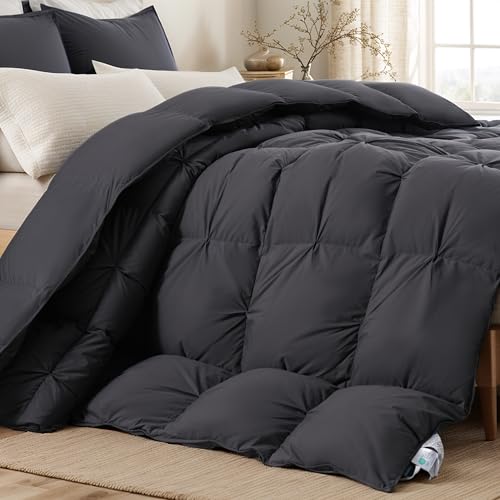
- ✓ Luxurious hotel-style design
- ✓ Evenly distributed filling
- ✓ Soft, lightweight warmth
- ✕ Slightly pricey
- ✕ Requires careful washing
| Fill Material | 80% goose down fiber and 20% feather fiber (RDS certified) |
| Fill Power | Not explicitly specified, but typically high for luxury down comforters (estimated 700-800 fill power) |
| Shell Material | Egyptian cotton, GOTS certified |
| Size Dimensions | 90 inches x 90 inches (Full/Queen size) |
| Construction Features | Baffle box construction with pinch pleat design, double-needle stitching, 8 corner tabs |
| Care Instructions | Vacuum-sealed packaging; fluffs after tumble drying or airing; suitable for dry cleaning with low heat |
The moment I pulled the KAKABELL goose down comforter out of the box, I was struck by how luxurious it looked. The elegant pinch pleat design immediately caught my eye, giving it a sophisticated, hotel-quality vibe.
The fabric feels incredibly soft and smooth, with a gentle weight that hints at the high-quality Egyptian cotton shell.
Unfolding it revealed a cloud-like fluffiness, thanks to the RDS-certified down fiber filling. It’s light but surprisingly warm, striking that perfect balance for year-round comfort.
The baffle box construction ensures the filling stays evenly distributed, so no cold spots or clumping over time.
The double-needle stitching and reinforced corner tabs make it feel sturdy and durable. I appreciated how quiet it is—no crinkling or noise—making it perfect for peaceful nights.
Plus, the vacuum-sealed packaging was easy to air out, and a quick tumble dried it fluffed right up, restoring that fresh, plush look.
Handling it feels like a real upgrade for my bed. The size options are generous, and I like that it’s easy to care for, with simple low-heat dry cleaning or pairing with a duvet cover to extend its life.
Overall, it’s a blend of luxurious feel, smart design, and practical durability. For anyone craving a cozy, stylish, all-season comforter, this one hits all the marks without breaking the bank.
What Constitutes a Quality Comforter?
- Material: The fabric of the comforter plays a crucial role in its quality. High-quality materials such as cotton, silk, or microfiber are breathable and soft against the skin, providing a luxurious feel and comfort throughout the night.
- Fill Type: The filling of a comforter contributes significantly to its warmth and weight. Down, synthetic fibers, and wool are popular options; down provides excellent insulation without bulk, while synthetic options are often hypoallergenic and easier to care for.
- Thread Count: A higher thread count generally indicates a denser and more durable fabric. Comforters with a thread count between 300 and 800 tend to offer a good balance of softness and durability, ensuring they withstand wear and tear over time.
- Construction: The way a comforter is constructed affects its longevity and appearance. Baffle-box or quilted designs help keep the fill evenly distributed, preventing clumping and ensuring consistent warmth across the entire comforter.
- Weight: The weight of a comforter can influence comfort preferences. Lighter comforters are ideal for warmer climates or summer use, while heavier options are perfect for colder months, providing a cocoon-like feel for extra warmth.
- Care Instructions: Quality comforters should be easy to care for, with clear washing instructions. Comforters that are machine washable and resistant to stains or odors are more convenient, allowing for easier maintenance and a longer lifespan.
- Design and Aesthetics: The visual appeal of a comforter can enhance the overall look of a bedroom. High-quality comforters often come in various colors and patterns, allowing for personal expression while maintaining elegance and style.
How Are Different Materials Used in Quality Comforters?
- Down: Down comforters are filled with the soft undercoating of ducks or geese, providing exceptional warmth-to-weight ratio. They are highly regarded for their luxurious feel and insulation properties, making them ideal for colder climates.
- Synthetic Fibers: Synthetic comforters often use materials like polyester or microfiber, which can mimic the softness of down while being more hypoallergenic and easier to care for. They are often more affordable and widely available, making them a popular choice for those with allergies or budget constraints.
- Wool: Wool comforters are known for their natural temperature-regulating properties, keeping you warm in winter and cool in summer. This natural material also wicks away moisture, providing a dry and comfortable sleep environment.
- Cotton: Cotton comforters are breathable and soft, making them a preferred choice for warm climates or those who tend to sleep hot. They are often easy to maintain and can come in various styles, offering versatility in bedding design.
- Silk: Silk comforters are luxurious and lightweight, providing a unique softness and temperature regulation. They are naturally hypoallergenic and can help with moisture control, making them ideal for sensitive skin.
What Are the Pros and Cons of Down vs. Synthetic Fill for Comfort?
| Fill Type | Pros | Cons |
|---|---|---|
| Down | Lightweight, excellent insulation, breathable, and durable with proper care. | Can be expensive, may trigger allergies, requires special care when washing, and has a higher environmental impact due to sourcing. |
| Synthetic | More affordable, hypoallergenic, easy to clean, retains warmth even when wet, and generally more environmentally friendly. | Heavier than down, less breathable, may not provide the same level of insulation, and can break down over time and lose insulation properties. |
What Features Should You Consider When Selecting a Comforter?
When selecting the best quality comforter, there are several key features to consider:
- Material: The fabric of the comforter significantly affects its warmth and breathability. Options like cotton and microfiber are popular for their softness and durability, while down or synthetic fills offer different warmth levels and allergy considerations.
- Fill Type: Comforters can be filled with natural materials like down or feathers, or synthetic alternatives such as polyester. Down provides excellent insulation and is lightweight, but may not be suitable for those with allergies, while synthetic fills can mimic the warmth and feel of down but are often hypoallergenic.
- Weight: The weight of the comforter influences its warmth and comfort. Lightweight comforters are better for warmer climates, while heavier options provide extra warmth for colder environments, making it essential to choose based on your local climate and personal preference.
- Thread Count: A higher thread count generally indicates a softer and more durable fabric. Look for a thread count of at least 200 for cotton comforters to ensure a quality feel, which can enhance your sleeping experience.
- Size: Comforters come in various sizes, so it’s crucial to select one that fits your mattress properly. A comforter that is too small may not provide adequate coverage, while one that is too large may look bulky and unkempt on the bed.
- Design and Color: The aesthetic aspect of your comforter can greatly impact your bedroom décor. Choose a color or pattern that complements your existing furnishings and personal style, as this can enhance the overall ambiance of your space.
- Care Instructions: Consider how easy it is to care for the comforter, as some materials require special cleaning processes. Machine-washable comforters offer convenience, while others may need dry cleaning, which can add to long-term maintenance costs.
How Does Comforter Weight Influence Sleep?
- Warmth: The weight of a comforter often correlates with its thermal insulation properties. Heavier comforters tend to trap more heat, making them ideal for colder climates or individuals who naturally feel cold at night.
- Security: Many people find that heavier comforters provide a sense of security and coziness, akin to a gentle hug. This can lead to reduced anxiety and improved sleep quality, making it easier to fall and stay asleep.
- Breathability: While weight can enhance warmth, it may also impact breathability. Lighter comforters typically allow for better airflow, which can be beneficial for those who tend to overheat during the night.
- Sleep Position: The weight of a comforter can influence comfort based on sleep position. Side sleepers may prefer a lighter comforter for easier movement, while back or stomach sleepers might enjoy the added weight for a more stable feel.
- Material Composition: The type of materials used in a comforter can affect its weight and, consequently, the sleep experience. Natural materials like down and cotton tend to be both lightweight and warm, while synthetic materials might offer heavier options with varying levels of warmth and breathability.
What Role Does Thread Count Play in Comforter Quality?
- Definition of Thread Count: Thread count refers to the number of threads woven into one square inch of fabric, including both vertical (warp) and horizontal (weft) threads.
- Impact on Softness: Higher thread counts often result in a softer feel; comforters with a thread count of 300 or above tend to provide a luxurious, plush texture.
- Durability: A higher thread count can enhance the durability of a comforter, making it less prone to wear and tear over time, ensuring it lasts longer.
- Breathability: While high thread counts can improve comfort, they may also affect breathability; overly high counts can trap heat and moisture, potentially making the comforter less comfortable in warmer conditions.
- Perceived Quality: Consumers often associate higher thread counts with better quality, which can influence purchasing decisions, although it’s important to consider other factors like material and construction.
What Are the Key Benefits of a High-Quality Comforter?
The key benefits of a high-quality comforter include:
- Enhanced Warmth: A high-quality comforter provides superior insulation, keeping you warm during colder months. These comforters often use premium materials that trap heat efficiently while allowing for breathability, ensuring comfort throughout the night.
- Durability: Investing in a best quality comforter means choosing a product that is built to last. High-quality comforters are made with stronger fabrics and robust stitching, reducing the likelihood of wear and tear over time, even after multiple washes.
- Improved Sleep Quality: The right comforter can significantly improve your sleep quality by creating a cozy and inviting sleeping environment. A well-made comforter contributes to regulating body temperature, which helps you fall asleep faster and enjoy deeper sleep cycles.
- Hypoallergenic Properties: Many high-quality comforters are designed with hypoallergenic materials, making them ideal for individuals with allergies or sensitivities. These comforters resist dust mites, mold, and other allergens, promoting a healthier sleep space.
- Stylish Aesthetics: A premium comforter not only serves a functional purpose but also enhances the overall look of your bedroom. Available in various colors, patterns, and textures, high-quality comforters can complement your decor and add a touch of luxury to your space.
- Easy Maintenance: Best quality comforters are often designed for easy care, with many being machine washable. This convenience ensures that your comforter can be kept clean and fresh with minimal effort, prolonging its lifespan and maintaining its appearance.
How Can Investing in a Quality Comforter Enhance Sleep Quality and Health?
- Temperature Regulation: A high-quality comforter is designed to provide optimal temperature control, keeping you warm in colder months and cool during warmer nights. This temperature regulation helps prevent night sweats and discomfort, leading to deeper sleep cycles.
- Material Quality: The materials used in a comforter, such as down, wool, or high-thread-count cotton, can greatly influence its comfort and durability. Premium materials not only feel luxurious against the skin but also provide better insulation and breathability, which is crucial for a good night’s rest.
- Hypoallergenic Properties: Many quality comforters are made with hypoallergenic materials that discourage dust mites, mold, and allergens. This is particularly beneficial for individuals with allergies or respiratory issues, as it promotes a healthier sleeping environment and reduces the risk of nighttime disturbances.
- Durability and Longevity: Investing in a quality comforter typically means it will withstand regular use and last longer than cheaper alternatives. A durable comforter maintains its shape and insulating properties over time, making it a cost-effective choice in the long run.
- Aesthetic Appeal: The best quality comforters often come in various designs and colors, allowing you to enhance the visual comfort of your bedroom. A well-chosen comforter can create a more inviting atmosphere, which can further promote relaxation and sleep readiness.
- Weight and Loft: The weight and loft of a comforter can affect how cozy it feels while you sleep. A quality comforter strikes the right balance between being lightweight enough for ease of movement and providing enough loft to feel enveloping, contributing to a sense of security and comfort.
What Maintenance Tips Can Extend the Life of Your Comforter?
To extend the life of your comforter, consider the following maintenance tips:
- Regular Washing: Washing your comforter regularly helps remove dirt, sweat, and allergens that can degrade the fabric over time.
- Use a Cover: A protective cover can shield your comforter from stains and wear, significantly prolonging its lifespan.
- Proper Drying: Ensuring your comforter is dried thoroughly prevents moisture buildup, which can lead to mold and mildew.
- Storage Techniques: Storing your comforter correctly when not in use can help maintain its shape and fluffiness.
- Avoid Overloading the Washer: Overloading can lead to uneven cleaning and damage to the fabric, so it’s essential to wash your comforter alone or with a few other lightweight items.
Regular Washing: Aim to wash your comforter every 3-6 months, depending on usage. Use a gentle cycle with mild detergent to preserve the fabric’s integrity, and always check the care label for specific washing instructions to avoid any damage.
Use a Cover: A soft, removable duvet cover acts as a barrier against dust, dirt, and spills. This means you can wash the cover more frequently than the comforter itself, which helps maintain cleanliness and prevents wear on the comforter.
Proper Drying: After washing, dry your comforter on a low heat setting and consider adding dryer balls to help keep it fluffy. Make sure it’s completely dry to avoid any moisture, as damp conditions can cause unpleasant odors and mold growth.
Storage Techniques: When not in use, store your comforter in a breathable cotton bag to prevent dust accumulation and keep it protected from pests. Avoid compressing it in tight spaces, as this can damage the filling and reduce its loftiness.
Avoid Overloading the Washer: Washing your comforter separately allows it to move freely, ensuring a thorough clean and minimizing the risk of damage. Follow the manufacturer’s guidelines for weight limits to maintain the quality of your comforter during washing.
How Often Should You Wash and Care for Your Comforter?
Proper care and maintenance of your comforter ensure longevity and cleanliness, especially for the best quality comforters.
- Frequency of Washing: It’s recommended to wash your comforter every 3-6 months, depending on usage and personal preferences.
- Spot Cleaning: For minor stains or spills, spot cleaning is essential to keep your comforter looking fresh without needing a full wash.
- Drying Methods: Proper drying techniques, such as using a dryer with low heat or air drying, are crucial to prevent damage and maintain fluffiness.
- Storage Tips: When not in use, storing your comforter in a breathable bag can help maintain its quality and protect it from dust and moisture.
- Using a Duvet Cover: Utilizing a duvet cover can significantly minimize the need for washing the comforter itself, as it acts as a protective layer.
Washing your comforter every 3-6 months is a good practice, but this can vary based on how often you use it and if you have allergies or pets. Regular washing helps remove dust mites, allergens, and odors, ensuring a healthier sleeping environment.
When dealing with stains, spot cleaning is a practical approach that allows you to treat specific areas without the hassle of laundering the entire comforter. Using a mild detergent and a damp cloth, you can gently dab the affected area to lift the stain.
Proper drying methods are essential for maintaining the comforter’s integrity. Using a dryer on a low heat setting with dryer balls can help redistribute the filling and keep it fluffy, while air drying can prevent overheating and potential damage.
For long-term care, storing your comforter properly when it’s not in use is critical. A breathable storage bag will help protect it from moisture, dust, and pests while allowing it to retain its shape and loft.
Employing a duvet cover is an excellent way to extend the time between washes. The duvet cover acts as a shield against dirt and spills, making it easier to maintain cleanliness and comfort without frequent laundering of the comforter itself.
Related Post: